
If you are looking for the best terpenes for perfume and fragrance, cannabis-derived terpene profiles offer one of the most interesting areas of modern aroma formulation.
Cannabis fragrance is far more sophisticated than the stereotypical idea of making a perfume oler como humo o malas hierbas.
The plant can produce aromatic profiles spanning citrus, tropical fruit, berries, cream, flowers, pepper, herbs, pine, woods, earth, sweet candy and distinctive gas-like or resinous notes.
That diversity gives perfumers and fragrance developers a remarkably broad creative palette.
A good cannabis-inspired fragrance can be bright and citrus-led.
It can be sweet and gourmand.
It can be floral, spicy and woody.
It can feel green and botanical, or deliberately unusual and challenging.
For this guide, we have selected three genuine cannabis-derived terpene profiles from the Canavape Reserve collection: Bolo Runtz, Grapefruit and Jealousy.
Each represents a very different direction.
Bolo Runtz combines sweet candy, tropical fruit, cream, citrus and light gas.
Grapefruit provides the brightest profile, built around fresh citrus and grapefruit character.
Jealousy moves in the opposite direction, combining creamy fruit, plum, berry, citrus, pepper and deeper gassy botanical notes.
Together they demonstrate why cannabis-derived terpenes can be so interesting for perfume and fragrance development.
This guide compares all three, explains how terpenes fit into modern perfumery, explores cannabis-inspired fragrance design and helps you choose a profile according to the scent you actually want to create.
Our three premium terpene profiles for perfume and fragrance development are Bolo Runtz for sweet candy, tropical fruit and creamy gas character, Grapefruit for bright citrus and fresh aromatic fragrance, and Jealousy for complex berry, plum, creamy, peppery and gassy depth.
Bolo Runtz is our gourmand choice, Grapefruit is our fresh citrus choice, and Jealousy is our recommendation for the most complex luxury cannabis-inspired fragrance direction.
Three genuine cannabis-derived terpene profiles with very different perfumery personalities.
| Perfil de terpenos | Dirección de aromas | Lo mejor para | Nuestra elección |
|---|---|---|---|
| Bolo Runtz CDT | Sweet candy, tropical fruit, cream, soft citrus and light gas | Gourmand fragrance, modern sweet perfume, unusual fruit accords | El mejor perfil de dulzor |
| Grapefruit CDT | Bright grapefruit, citrus zest, sweet fruit and green botanical depth | Fresh fragrance, citrus perfume, modern botanical accords | El mejor perfil de «fresco» |
| Jealousy CDT | Berry, plum, creamy fruit, citrus, pepper, earth and gas | Niche fragrance, complex unisex perfume, luxury cannabis-inspired accords | Best complex profile |
Bolo Runtz is our first choice when the fragrance concept is sweet, modern and deliberately indulgent.
The profile opens in a world of candy and tropical fruit rather than traditional green cannabis aroma.
Underneath that sweetness are creamy fruit, soft citrus, subtle spice and a light gas-like base that prevents the profile from becoming a simple confectionery fragrance.
This contrast is what makes Bolo Runtz particularly interesting in perfumery.
Sweetness provides immediate appeal.
The deeper cannabis-derived character gives the fragrance an unusual edge.
We would explore Bolo Runtz for concepts including:
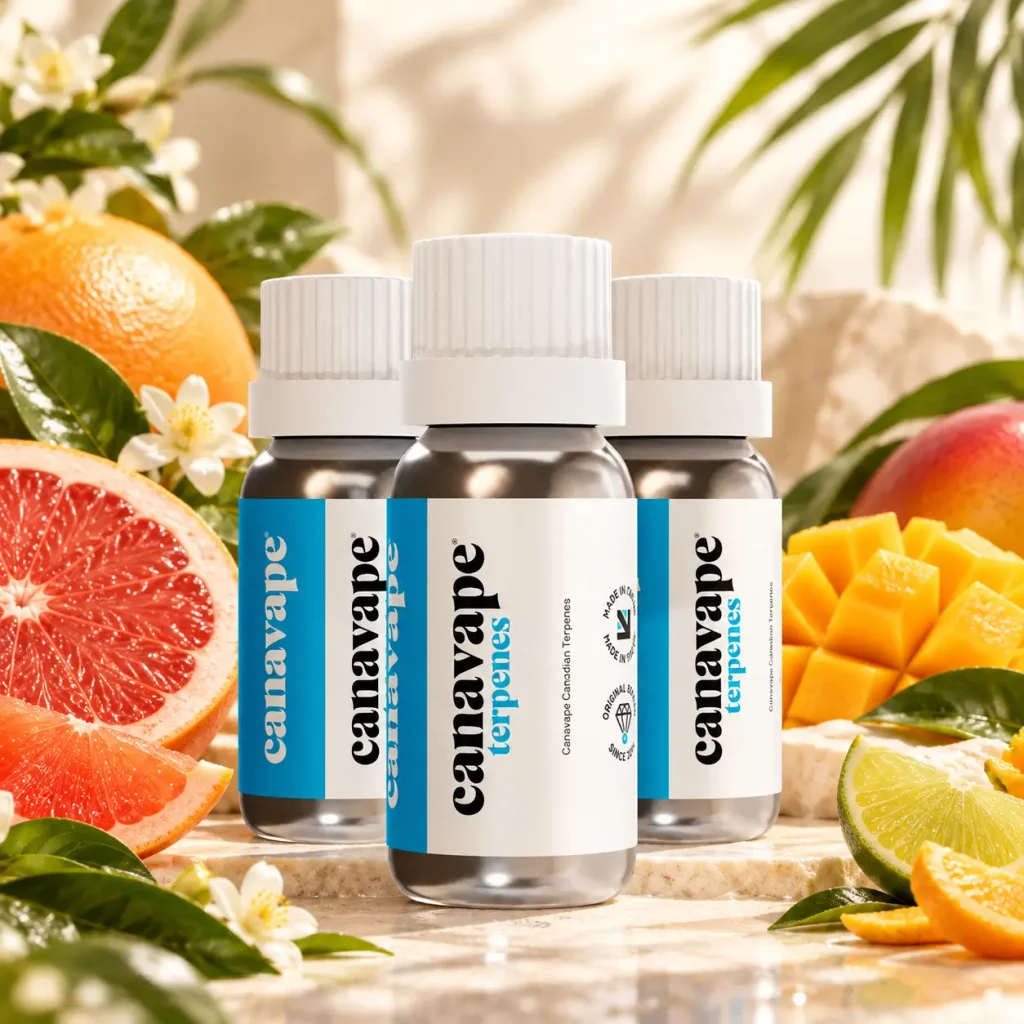
Bolo Runtz is expressive from the beginning.
Its aromatic profile can be described through several layers:
Several familiar aromatic compounds contribute to this type of profile.
Limonene can contribute citrus brightness, linalool floral smoothness, beta-caryophyllene spicy depth, myrcene body and richness, and ocimene fresh tropical character.
The importance of Bolo Runtz, however, is not simply the individual molecules.
It is how they exist together as a complete cannabis-derived aromatic fingerprint.
Gourmand fragrance has traditionally used familiar ideas such as vanilla, caramel, chocolate, coffee, fruit and sweet amber-style accords.
Bolo Runtz can introduce a less conventional direction.
Its candy-like character fits naturally into gourmand fragrance, but the deeper botanical and gas-style notes give it an identity that ordinary fruit fragrance may lack.
This makes it particularly suitable for perfumers looking for contrast.
The concept can begin sweet and familiar before revealing something more complex underneath.
Potential creative directions include:
These are fragrance-design directions rather than fixed recipes.
The final compatibility and safety of any composition depend on the actual materials and intended finished product.
Grapefruit is the brightest of our three recommendations.
If Bolo Runtz begins with sweetness and Jealousy trades in complexity, Grapefruit delivers clarity.
The central aroma is unmistakably citrus-led.
Fresh grapefruit, sharp citrus peel and sweeter fruit character are supported by herbal, green and lightly earthy dimensions associated with the original cannabis profile.
This makes Grapefruit particularly useful for fragrance developers who like citrus but want something less predictable than a straightforward lemon, orange or bergamot-style accord.
We would explore Grapefruit for:
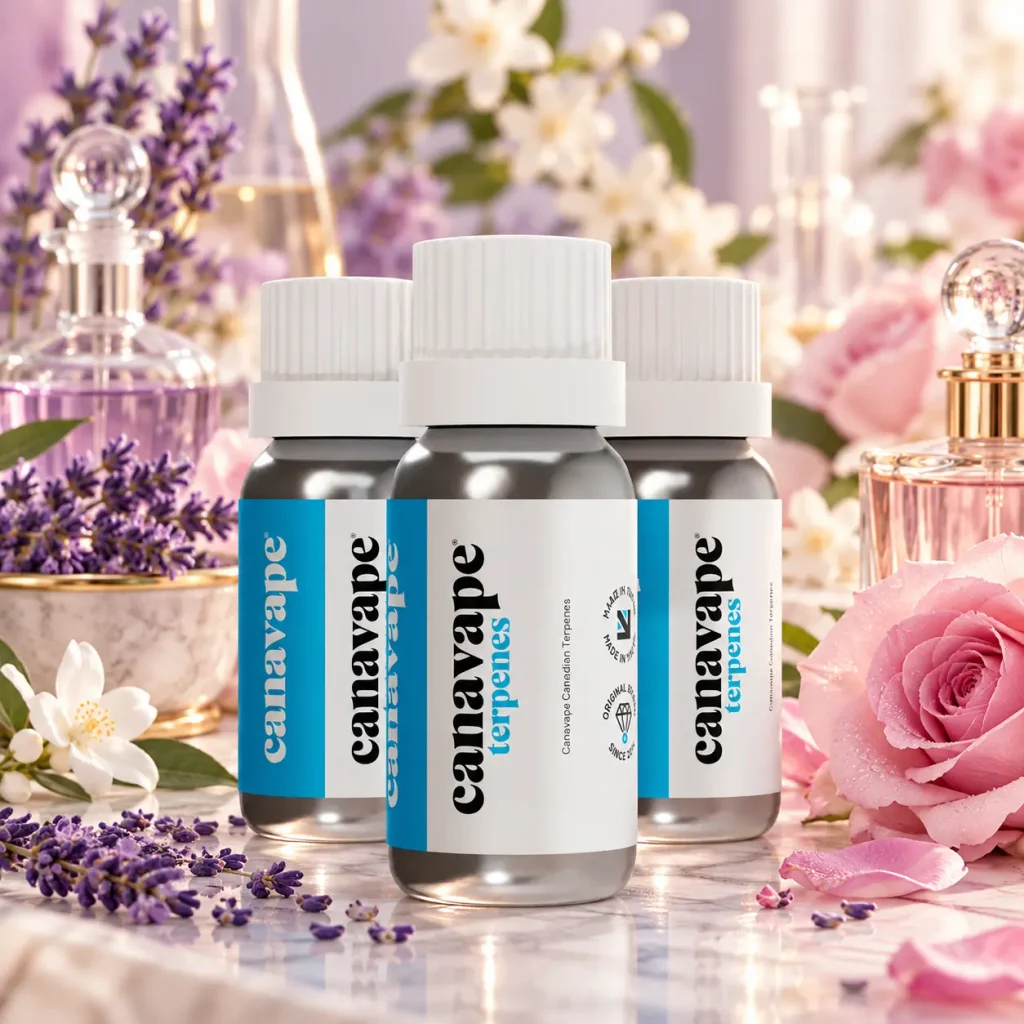
Grapefruit is led by the citrus family.
Expect an aromatic direction that can include:
That final botanical depth is important.
Without it, a grapefruit fragrance can become very close to conventional citrus perfumery.
The cannabis-derived profile gives the citrus a different context.
Citrus ingredients are among the classic building blocks of perfumery.
They can provide lift, freshness and immediate recognisability.
They are also extremely easy for consumers to understand.
Grapefruit has a particular advantage because its aroma naturally contains both fresh and slightly bitter dimensions.
This can make it feel more sophisticated than pure sweetness.
A cannabis-derived Grapefruit profile adds another layer through its green and botanical character.
Potential fragrance directions include:
Grapefruit is particularly useful where a fragrance needs an obvious bright opening without becoming purely sweet.
Jealousy is our choice when complexity matters more than immediate simplicity.
It belongs to the modern cannabis fragrance world of creamy fruit, dark berries, citrus, pepper, earth and gas-like character.
Where Grapefruit has a clear primary identity and Bolo Runtz has obvious gourmand appeal, Jealousy is more difficult to reduce to a single word.
That is precisely why we like it for niche fragrance development.
Its aromatic identity can move through sweet fruit, cream, pepper and citrus before settling into deeper earthy and gassy botanical character.
We would explore Jealousy for:
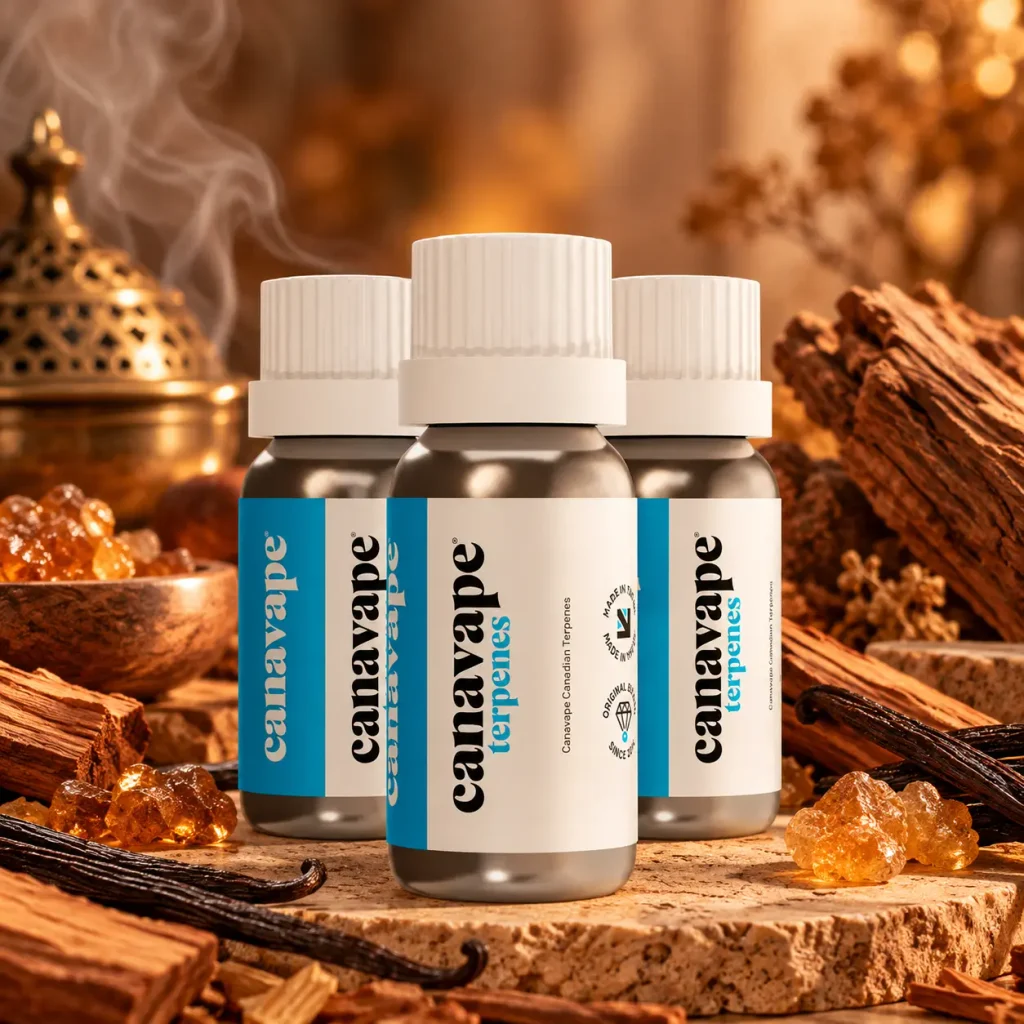
Jealousy is known for a particularly layered aromatic profile.
Depending on the exact expression and batch, characteristic directions can include:
The most important point is complexity.
Jealousy is not simply a fruit fragrance with a strain name attached.
The fruit sits inside a broader aromatic structure involving spice, green botanical character and deeper cannabis-associated notes.
Niche fragrance often succeeds by refusing to smell completely familiar.
A memorable perfume can contain beautiful elements alongside something unexpected.
Jealousy naturally occupies that territory.
Its creamy and fruity character provides accessibility.
Pepper, woods, herbs and gas-like elements provide tension.
That combination gives perfumers much more material to work with than a single-note fruit aroma.
Potential creative directions include:
| Si quieres… | Elija | Por qué |
|---|---|---|
| Sweet gourmand character | Bolo Runtz | Candy, tropical fruit, cream and light gas |
| Bright citrus fragrance | Pomelo | Immediate grapefruit and citrus identity |
| Maximum complexity | Jealousy | Fruit, cream, pepper, citrus, earth and gas |
| A modern sweet fragrance | Bolo Runtz | Contemporary candy and tropical direction |
| A clean fresh concept | Pomelo | Bright aromatic character with botanical depth |
| A niche luxury scent | Jealousy | Layered profile that resists simple categorisation |
| Your first CDT fragrance experiment | Pomelo | The easiest profile of the three to understand aromatically |
Terpenes are volatile aromatic compounds found throughout the natural world.
They occur in citrus peel, flowers, herbs, trees, spices, fruit and cannabis.
Many molecules familiar to terpene enthusiasts are already fundamental to fragrance chemistry.
Algunos ejemplos son:
Closely related oxygenated compounds often discussed broadly as terpenes include materials such as linalool.
These molecules contribute citrus, floral, herbal, woody, spicy, resinous and other aromatic qualities.
Perfume works because volatile molecules leave the formulation and enter the surrounding air.
Terpenes are naturally volatile.
That makes them inherently relevant to aroma chemistry.
Individual compounds can provide specific notes, while terpene profiles can create much more complex aromatic impressions.
The result can range from a recognisable fruit fragrance to a sophisticated botanical accord.
Many terpene and terpenoid molecules are used extensively throughout fragrance chemistry.
However, “terpene” does not automatically mean “finished perfume ingredient suitable at any concentration”.
A concentrated raw material still needs to be considered in the context of:
This distinction becomes particularly important for perfume designed for application to piel.
Suitable terpene ingredients can form part of professionally developed fragrance compositions.
The finished perfume should be formulated and assessed for its actual intended use.
A bottle of concentrated terpenes is not the same thing as a ready-to-wear perfume.
The terpene profile becomes one aromatic component within the broader composition.
For skin-applied fragrance, ingredient suitability and the completed cosmetic formulation matter. Do not assume a concentrated aromatic ingredient can be applied directly to skin because it is natural or because the same molecule occurs in fruit, flowers or cannabis.
Cannabis is unusually interesting from a fragrance perspective because it can produce such a broad range of aromatic impressions.
The plant can express profiles suggesting:
This makes cannabis fragrance much more versatile than the old assumption that every cannabis-inspired scent should smell green, skunky or smoky.
Modern cannabis-inspired perfumery is increasingly interested in the aromatic architecture of the plant rather than novelty.
The goal does not need to be making somebody smell like cannabis flower.
Instead, cannabis can provide inspiration for a fragrance family.
A perfumer might enfoque en:
The cannabis connection becomes part of the scent story rather than the entire fragrance.
Sometimes, but it does not have to.
“Cannabis fragrance” is not one smell.
A Grapefruit cannabis profile can be overwhelmingly citrus-led.
Bolo Runtz can smell sweet, tropical and creamy.
Jealousy can combine fruit, cream, pepper and gas.
None needs to resemble smoke.
This distinction is fundamental.
The aroma of fresh cannabis is generated by volatile compounds present in the plant.
Smoke is the result of combustion and contains an entirely different mixture of chemicals created by heating organic material to very high temperatures.
A cannabis-inspired perfume can recreate aspects of the plant’s aroma without reproducing the smell of smoke.
These terms should not automatically be treated as interchangeable.
| Plazo | What It Usually Describes |
|---|---|
| Cannabis-inspired perfume | A fragrance concept designed around cannabis-associated aroma |
| Cannabis-scented perfume | A fragrance intended to evoke cannabis aroma |
| Cannabis-infused perfume | Can imply the formulation actually contains a cannabis-derived ingredient |
| CDT fragrance | A fragrance composition incorporating cannabis-derived terpene material |
Bolo Runtz, Grapefruit and Jealousy are genuine cannabis-derived terpene profiles, so their source is different from a botanical strain-inspired recreation.
Cannabis-derived terpenes, commonly shortened to CDTs, are volatile aromatic fractions obtained directly from cannabis plant material.
Rather than recreating a cultivar’s aromatic direction from non-cannabis botanical ingredients, the aromatic material originates from cannabis itself.
This can preserve a complex source-specific fingerprint involving major and minor volatile compounds.
Leer Terpenos botánicos frente a terpenos derivados del cannabis for our full comparison.
| Característica | Terpenos derivados del cannabis | Perfiles botánicos de terpenos |
|---|---|---|
| Fuente | Directly from cannabis material | Non-cannabis botanical ingredients |
| Perfil | Native cultivar-derived aromatic fingerprint | Deliberately reconstructed or original profile |
| Minor aromatic complexity | Can retain source-specific trace compounds | Controlled by formulation |
| Coherencia | Can vary with source batch and extraction | Can be formulated for strong repeatability |
| Creative freedom | Connected to original cannabis profile | Almost unlimited profile design |
| UK composition consideration | Cannabinoid analysis particularly important | Generally simpler controlled-drug position |
No en todos los casos.
CDTs are particularly interesting when authentic cannabis origin and native cultivar character are central to the fragrance concept.
Botanical profiles may be preferable where consistency, scalability or complete creative control are the main priorities.
The correct choice depends on the fragrance brief.
Cannabis aroma is not created only by a handful of major terpenes.
Modern analytical work shows that trace volatile compounds can have a disproportionate impact on how a cultivar smells.
Entre ellos se pueden incluir:
This helps explain why two profiles containing similar headline terpenes can still smell noticeably different.
No.
Flavonoids are a different chemical family.
They are largely non-volatile polyphenolic compounds and should not be confused with the volatile terpene chemistry primarily responsible for aroma.
Perfume is often described using a three-stage scent pyramid.
These are usually the first aromatic impressions.
Highly volatile citrus and fresh notes often appear prominently here.
The heart becomes more apparent as the fastest-moving top notes reduce.
Fruit, flowers, herbs and spices can all contribute.
The base provides depth and persistence.
Woods, resins, amber-style accords and heavier aromatic molecules often contribute here.
A cannabis-derived terpene profile can interact with all three parts depending on its composition.
Grapefruit has the más fuerte obvious top-note character because bright citrus aromatics are highly volatile and immediately perceptible.
This does not mean Grapefruit exists only at the top of a fragrance.
The complete CDT profile also contains supporting botanical character.
Bolo Runtz.
Its candy, tropical fruit and creamy qualities lend themselves naturally to sweeter fragrance concepts.
Jealousy is our choice.
The combination of fruit, cream, pepper, earth and gas provides several aromatic directions simultaneously.
Choose Grapefruit CDT.
It provides the clearest bright citrus identity of the three while retaining a more botanical cannabis-derived background.
Choose Bolo Runtz CDT.
Sweet candy, tropical fruit and creamy character provide a natural starting point for gourmand and fruit-led fragrance.
Choose Jealousy CDT.
Its complexity and unusual contrast make it the profile we would select when the goal is differentiation rather than simple familiarity.
All three can work within fragrance concepts intended without a gendered scent category.
Grapefruit provides freshness.
Bolo Runtz provides modern sweetness.
Jealousy provides spice and complexity.
The wider finished formulation determines the eventual character far more than the strain name alone.
Grapefruit is the strongest choice.
The citrus-led opening communicates freshness immediately.
If the intended fragrance aesthetic is richer, darker and more complex, Jealousy provides the most obvious starting point of the three.
This is a style recommendation rather than a claim that a particular terpene produces a time-of-day physiological effect.
Bolo Runtz is the clear choice.
The candy and creamy-fruit character gives it the strongest connection with contemporary sweet fragrance.
Many aromatic compounds used in perfumery are compatible with alcohol-based systems, but the behaviour of a complete terpene profile depends on its actual composition and the finished fragrance formula.
The key considerations include:
Test the actual fragrance composition rather than assuming all aromatic ingredients behave identically.
Suitable terpene ingredients can potentially form part of oil-based fragrance formulations where the portador and finished application are appropriate.
Again, the carrier matters.
An oil simply being able to dissolve aromatic material does not automatically make the finished formulation suitable for cosmetic use.
| Característica | Alcohol-Based Perfume | Oil-Based Perfume |
|---|---|---|
| Carrier style | Typically alcohol-dominant fragrance system | Lipid-based or specialised perfume-oil carrier |
| Evaporación | Often relatively rapid initial projection | Generally slower carrier evaporation |
| Skin feel | Light and fast drying | More noticeable carrier presence |
| Terpene compatibility | Must be assessed in complete formulation | Must be assessed in complete formulation |
| Finished-product assessment | Required for commercial skin-applied cosmetic | Required for commercial skin-applied cosmetic |
Professional fragrance development starts with the scent brief rather than a random percentage.
A sensible development process is:
There is no meaningful universal percentage that applies to every terpene profile and every perfume.
Bolo Runtz, Grapefruit and Jealousy are chemically different mixtures.
The wider fragrance formula can also contain many additional aromatic ingredients.
El nivel adecuado depende de:
Professional perfumery therefore works with the actual composition rather than a generic internet recipe.
Scent blotters are extremely useful during fragrance development.
They allow a perfumer to compare formulations consistently without repeatedly smelling concentrated raw material directly from a bottle.
Evaluate:
This helps reveal which parts of the aroma disappear quickly and which remain.
Fragrance is dynamic.
Its most volatile molecules enter the air more rapidly than heavier components.
The relative composition perceived by the nose therefore changes over time.
This is why the first smell of a perfume is not necessarily its most representative stage.
Some terpene compounds are considerably more volatile than others.
Many monoterpenes are relatively fast-moving compared with heavier sesquiterpenes.
For example, bright citrus components may be prominent at first but reduce more rapidly than heavier woody or spicy elements.
The longevity of a finished perfume depends on the entire fragrance architecture rather than the presence of terpenes alone.
Fragrance longevity is normally addressed through complete composition design.
Perfumers combine materials with different evaporation behaviours so that the fragrance develops gradually.
Trying to solve longevity simply by adding more of a highly volatile ingredient can make the opening harsher without necessarily making the fragrance last proportionally longer.
Fixative is an informal fragrance term used for materials or formulation strategies that help support persistence and slow the apparent disappearance of more volatile notes.
No single ingredient universally “locks in” all terpenes.
Longevity emerges from the complete perfume system.
Yes, profile blending can create entirely new fragrance directions.
Por ejemplo:
These should be treated as creative directions rather than fixed formulations.
Once two profiles are combined, the result becomes a new mixture that needs to be evaluated in its own right.
Bolo Runtz is sweeter and more gourmand.
Grapefruit is brighter and more immediately fresh.
Choose Bolo Runtz if the fragrance brief revolves around candy, tropical fruit or cream.
Choose Grapefruit if citrus freshness is the priority.
Grapefruit communicates its identity quickly.
Jealousy unfolds with more complexity.
For an accessible fresh perfume concept, Grapefruit is easier.
For a niche composition built around contrast and depth, Jealousy offers more unusual territory.
Both are richer than Grapefruit, but they reach that richness differently.
Bolo Runtz emphasises candy, tropical fruit and cream.
Jealousy brings berry, plum, pepper, citrus, earth and gas.
Bolo Runtz is our sweet gourmand choice.
Jealousy is our complex niche choice.
Cannabis-inspired perfume does not need to be loud, skunky or challenging.
A citrus-led Grapefruit concept could be made considerably more accessible than a dark resinous fragrance.
The prominence of the cannabis character is a design choice.
The finished perfume can range from subtle botanical influence to an intentionally obvious cannabis-inspired signature.
No.
“Cannabis fragrance” describes an aromatic inspiration rather than one fixed style.
Fresh citrus, soft fruit, green herbs and clean woods can create very different perfume aesthetics from dark resin, gas and heavy spice.
They do not have to be fundamentally different.
Modern perfumery already uses many of the same aroma families present in cannabis.
The main distinction is the scent reference.
A cannabis-inspired fragrance may deliberately emphasise combinations associated with cannabis cultivars, such as:
Traditional perfume can contain similar ingredients without referencing cannabis at all.
These are also different concepts.
Incense-style perfumery often emphasises materials and accords associated with frankincense, myrrh, resins, woods and smoke.
Cannabis fragrance can instead be:
A cannabis fragrance can include incense-style depth, but it does not inherently need to smell smoky or resinous.
Yes, provided the complete fragrance is designed with that objective.
Luxury is not created by one ingredient or the word cannabis.
It comes from composition, balance, raw-material quality, packaging, storytelling and the finished sensory experience.
Jealousy is particularly interesting in this context because its complexity provides a strong foundation for a less obvious niche fragrance.
Sí.
One of the advantages of terpene profiles is that they can introduce aromatic combinations that are less common in mass-market perfume.
A signature scent benefits from recognisability.
The objective is not necessarily to make the wearer immediately think “cannabis”.
The goal can simply be to create a fragrance that is difficult to confuse with everything else.
Suitable terpene materials can form part of wider perfumery compositions.
This allows them to interact with conventional fragrance families such as:
The terpene profile does not need to dominate.
It can provide a subtle botanical accent or become the central theme.
No.
Common terpene molecules do not independently create the characteristic intoxicating effect associated with THC.
Terpenes are aromatic compounds.
THC is a cannabinoid with very different pharmacology.
Leer ¿Los terpenos te colocan? y Terpenos frente al THC para ver la explicación completa.
Cannabis-derived material should not automatically be assumed to contain either zero THC or a problematic level of THC.
It depends on the actual material and processing.
This is why cannabinoid analysis is particularly important for cannabis-derived terpene ingredients.
A terpene COA alone does not automatically establish cannabinoid content unless the relevant cannabinoids were actually tested.
Common terpene molecules themselves are not controlled drugs simply because they occur in cannabis.
Cannabis-derived products require more attention because of the controlled source material and possible cannabinoid carryover.
Where Canavape supplies cannabis-derived terpene material, batch-specific analytical information provides the relevant composition data.
Leer ¿Son legales los terpenos en el Reino Unido? for the complete legal explanation.
Safety depends on the specific molecules, concentrations and finished formulation.
Some terpene and fragrance compounds can be irritating or sensitising at sufficient concentrations.
Oxidation can also alter the properties of aromatic compounds over time.
This is why concentrated terpene ingredients should not be applied directly to skin unless specifically formulated and assessed for that exposure.
Leer ¿Son seguros los terpenos? para consultar la guía detallada.
No.
Natural describes origin.
It does not establish a universally safe concentration.
Limonene, linalool and many other familiar fragrance materials occur naturally in plants but still need to be considered correctly in cosmetic formulation.
A perfume supplied for application to the body is a cosmetic product.
The finished cosmetic needs to meet the requirements applicable to cosmetic products placed on the relevant UK market.
The practical lesson for a fragrance developer is simple:
Do not assume a raw aromatic ingredient becomes compliant simply because it smells good or has natural origins.
The completed perfume is assessed as a completed formulation.
Useful documentation for professional fragrance development can include:
This gives the formulator a much clearer picture of what is actually being used.
Terpenes are volatile and can oxidise.
Follow the storage specification supplied for the exact product.
Entre las consideraciones generales se incluyen:
Leer Cómo almacenar y conservar los terpenos for our full guide.
Exposure to oxygen can gradually change some aromatic compounds.
This can alter:
This matters particularly when working with small bottles that are opened frequently during development.
Some concentrated terpene compounds have solvent properties and can interact with particular plastics, seals or elastomers.
Packaging compatibility should therefore be tested using the actual completed formulation.
Glass is widely used in perfume partly because of its broad chemical resistance and premium presentation.
These three profiles could form the basis of a very coherent fragrance collection.
Candy, tropical fruit, cream and gas.
A contemporary gourmand-inspired direction.
Bright grapefruit, citrus and botanical freshness.
The most accessible and immediate profile.
Berry, plum, cream, citrus, pepper, earth and gas.
The niche statement fragrance of the collection.
The three together demonstrate the breadth of cannabis aroma far more effectively than three similar green or herbal scents.
Sí.
Many of the major terpenes found in cannabis also occur naturally in other plants.
Botanical terpene profiles can therefore recreate many cannabis-associated aroma characteristics without using cannabis-derived raw material.
This provides an alternative route where source consistency and formulation control are priorities.
The appeal is source authenticity.
Rather than reconstructing the idea of the cultivar from selected botanical components, CDTs originate from cannabis and retain the aromatic signature of that source material.
For a premium cannabis-inspired fragrance project, that provenance itself can become part of the concept.
No es una regla universal.
Modern perfumery uses natural extracts, isolates, nature-identical materials and synthetic aroma chemicals for different reasons.
Synthetic does not automatically mean inferior.
Natural does not automatically mean superior.
Each provides different creative and technical possibilities.
Yes, modern perfumery frequently combines materials from different origins.
A cannabis-derived terpene profile can therefore become one element inside a much broader fragrance architecture where the ingredients are suitable and correctly assessed.
When comparing Terpenes UK suppliers for fragrance development, consider more than the name on the bottle.
Algunas preguntas útiles son:
Professional fragrance development is easier when the raw materials themselves are properly documented.
Canavape’s Reserve CDT collection focuses on genuine cannabis-derived aromatic profiles rather than botanical recreations.
This gives fragrance developers access to aromatic directions taken directly from modern cannabis genetics.
The range moves well beyond one generic cannabis scent.
Profiles can be:
For fragrance development, that variety creates a substantial creative palette.
Explore el Canavape cannabis-derived terpene collection o navegar por todos Terpenes UK profiles.
| Perfil | Main Strength | Fragrance Direction | Our Recommendation |
|---|---|---|---|
| Bolo Runtz | Sweetness | Candy, tropical fruit, cream, citrus and light gas | Best for modern gourmand concepts |
| Pomelo | Freshness | Grapefruit, citrus, fruit and green botanical character | Best first profile for fresh fragrance |
| Jealousy | Complexity | Berry, plum, cream, citrus, pepper, earth and gas | Best for niche luxury fragrance |
What are the best terpenes for perfume?
Our premium recommendations are Bolo Runtz for sweet candy, tropical and creamy fragrance, Grapefruit for fresh citrus perfume, and Jealousy for a complex berry, creamy, peppery and gassy niche fragrance direction. Can terpenes be used in perfume?
Suitable terpene ingredients can form part of professionally developed fragrance compositions. The complete finished perfume should be formulated and assessed for its intended use, particularly where it will be applied to skin. What are the best terpenes for fragrance?
The best profile depends on the desired aroma. Grapefruit suits fresh citrus fragrance, Bolo Runtz suits sweet gourmand concepts and Jealousy suits more complex niche perfumery. What does Bolo Runtz smell like?
Bolo Runtz combines sweet candy and tropical fruit with creamy guava-style character, soft citrus and a light gas-like background. What does Grapefruit CDT smell like?
Grapefruit CDT is strongly citrus-led, combining fresh grapefruit and citrus zest with sweet fruit, green botanical character and subtle cannabis-derived depth. What does Jealousy CDT smell like?
Jealousy is a complex profile associated with sweet berry, plum, creamy fruit, citrus, pepper, earth, pine and gassy aromatic character. Which terpenes are best for a sweet perfume?
Bolo Runtz is our first choice because of its candy, tropical-fruit and creamy aroma supported by deeper botanical and gas-like character. Which terpenes are best for citrus perfume?
Grapefruit CDT is our strongest citrus recommendation because it combines an obvious grapefruit identity with additional green and botanical complexity. Which terpenes are best for niche perfume?
Jealousy is our preferred profile for niche fragrance because it combines several contrasting aromatic families rather than relying on one simple dominant note. Can cannabis terpenes be used in fragrance?
Cannabis-derived terpenes are aromatic ingredients and can be relevant to fragrance development where the material is suitable for the intended application and the finished formulation is correctly assessed. Do cannabis perfumes smell like weed?
Not necessarily. Cannabis aroma can be citrusy, fruity, floral, creamy, spicy, herbal, woody, earthy or gassy. A cannabis-inspired perfume can highlight only part of that spectrum. Does cannabis perfume smell like smoke?
It does not need to. Fresh cannabis aroma and smoke are different chemical experiences. Cannabis-inspired perfume can focus entirely on the plant’s fruit, citrus, herbal, floral, spicy or woody aromatic characteristics. What is the difference between cannabis-inspired and cannabis-infused perfume?
Cannabis-inspired usually describes a fragrance concept or aroma. Cannabis-infused can imply that the formulation actually contains a cannabis-derived ingredient. They should not automatically be treated as the same description. What are cannabis-derived terpenes?
Cannabis-derived terpenes, or CDTs, are aromatic fractions obtained directly from cannabis material rather than reconstructed from non-cannabis botanical ingredients. Are CDTs better than botanical terpenes for perfume?
Neither category is universally better. CDTs are useful where authentic cannabis source and native cultivar character matter, while botanical profiles can offer strong consistency and greater formulation freedom. Can terpenes be used in alcohol perfume?
Many aromatic materials can be incorporated into alcohol-based perfume systems, but compatibility, stability and suitability need to be assessed using the actual terpene profile and complete formulation. Can terpenes be used in perfume oil?
Suitable terpene materials can potentially form part of oil-based fragrance systems, but the carrier and completed formulation must be appropriate for the intended cosmetic use. Can I apply pure terpenes directly to skin?
Concentrated raw terpene ingredients should not automatically be treated as ready-to-use skin products. Skin-applied perfume requires appropriately designed and assessed cosmetic formulation. How much terpene should I put in perfume?
There is no universal percentage suitable for every terpene profile and perfume. The appropriate amount depends on the exact ingredient, complete fragrance composition, desired aroma and finished-product safety assessment. Can different terpene profiles be mixed for perfume?
Yes, profiles can be combined during controlled fragrance development where the materials are suitable and compatible. The resulting mixture should then be evaluated as a new fragrance composition. Can Bolo Runtz and Grapefruit terpenes be mixed?
They can be explored together as a fragrance concept, with Bolo Runtz supplying sweet tropical and creamy character while Grapefruit adds brighter citrus contrast. Can Jealousy and Grapefruit be blended?
They can provide an interesting creative direction, combining Jealousy’s deeper fruit, spice and gas character with the brighter citrus identity of Grapefruit. Are terpenes top notes in perfume?
Some highly volatile terpene compounds can contribute strongly to top notes, particularly citrus-related monoterpenes. Other terpene and terpenoid materials can contribute to later stages of the fragrance as well. Do terpenes last long in perfume?
Different terpenes have different volatility. Many lighter monoterpenes evaporate relatively quickly compared with heavier aromatic compounds, so perfume longevity depends on the complete fragrance architecture. Can terpenes make perfume last longer?
Terpenes do not automatically make a fragrance longer lasting. Some are highly volatile. Longevity depends on the combination of ingredients and how the entire perfume has been designed. Are cannabis fragrances suitable for everyday wear?
They can be. Cannabis-inspired fragrance can range from subtle citrus and botanical compositions to much more distinctive gassy or resinous profiles. The finished fragrance design determines how prominent the cannabis character is. Are cannabis fragrances unisex?
Cannabis-inspired fragrance does not inherently belong to a gender category. Citrus, fruit, herbs, woods, spice, flowers and resin can all be used in fragrances designed without gendered positioning. How does cannabis fragrance differ from traditional perfume?
It does not require completely different ingredients. The distinction is usually the aromatic reference, with cannabis-inspired compositions deliberately highlighting combinations such as citrus and gas, berry and cream, or herbs, pepper and woods. Is cannabis fragrance the same as incense perfume?
No. Incense fragrance normally emphasises smoky resins, woods and materials associated with incense. Cannabis fragrance can instead be citrusy, fruity, floral, herbal, earthy, woody, sweet or gassy. Can cannabis perfume get you high?
Common terpene compounds do not independently create the characteristic intoxicating high associated with THC. Terpenes and THC are chemically and pharmacologically different. Do cannabis-derived terpenes contain THC?
It depends on the actual material and production process. Cannabis-derived terpene products should be supported by appropriate cannabinoid analysis rather than assuming THC content from the product name alone. Are cannabis-derived terpenes legal in the UK?
Common terpene molecules are generally legal, but cannabis-derived materials require consideration of their source and controlled-cannabinoid composition. Batch-specific analysis is important. Are terpenes safe in perfume?
Safety depends on the exact compounds, concentrations and finished formulation. Concentrated terpene ingredients should be used according to their documentation and skin-applied finished products require appropriate cosmetic assessment. Are natural terpenes better than synthetic fragrance ingredients?
Not automatically. Natural describes origin rather than quality or safety. Natural, isolated, nature-identical and synthetic aroma materials can all have legitimate roles in professional perfumery. Where can I buy cannabis-derived terpenes for fragrance in the UK?
Canavape supplies a specialist UK collection of cannabis-derived terpene profiles including Bolo Runtz, Grapefruit and Jealousy, alongside a wider selection of botanical and cultivar-inspired terpenes. Which CDT should I buy first for fragrance development?
Grapefruit is the easiest starting point if you want a recognisable fresh citrus direction. Choose Bolo Runtz for sweeter gourmand fragrance or Jealousy when complexity and niche character are the priority.
Cannabis-derived terpenes provide fragrance developers with a palette that is much broader than the phrase “cannabis perfume” initially suggests.
These profiles do not need to smell like smoke.
They do not need to smell generically green.
And they certainly do not all smell alike.
The aromatic world of cannabis includes fruit, citrus, flowers, herbs, woods, earth, spice, cream, candy, gas and resin.
That gives perfumers enormous creative scope.
For our three premium recommendations:
If you are developing your first CDT-led fragrance concept, Grapefruit is the easiest place to begin.
If the fragrance should be sweet and modern, Bolo Runtz provides the clearest direction.
If you want something more complex and unmistakably niche, Jealousy is our first choice.
The terpene profile does not have to become the entire perfume.
It can be a starting point, a recognisable signature or one layer inside a much broader fragrance composition.
That is what makes terpenes so interesting to work with.
They provide fragrance developers with aromatic building blocks that sit somewhere between botanical chemistry, modern perfumery and the extraordinary scent diversity of cannabis itself.
Explore our specialist terpenos derivados del cannabis or browse the complete Colección de terpenos de Canavape en el Reino Unido.
Para más información, véase Cómo utilizar los terpenos, Los mejores terpenos para velas y pastillas de cera, Los mejores terpenos para difusores y fragancias para el hogar, Terpenos botánicos frente a terpenos derivados del cannabis, ¿Son seguros los terpenos?, ¿Son legales los terpenos en el Reino Unido? y ¿Qué son los terpenos del cannabis y la hierba?.
This article provides general information about terpene selection and fragrance development. Concentrated terpene profiles are formulation ingredients rather than ready-to-use personal fragrances. Always check the specification, Safety Data Sheet, intended-use information and analytical data for the exact material, and ensure any finished cosmetic fragrance is appropriately formulated and assessed for its intended market.

Envíanos un mensaje directamente
Volveré pronto

