THCV, or tetrahydrocannabivarin, is a naturally occurring cannabinoid found in the cannabis plant. It appears in much smaller amounts than better-known compounds like CBD and THC, which is one reason it has only recently started to attract wider attention. For UK readers, THCV is especially interesting because it sits in a space between familiar cannabis compounds: it shares a similar chemical structure with THC, but its effects can feel noticeably different.
In simple terms, THCV is one of the many active compounds produced by cannabis and konopí plants. Like other cannabinoids, it interacts with the body’s endocannabinoid system, which helps regulate functions such as mood, appetite, pain perception, spáneka imunitní systém response. However, THCV does not behave exactly like THC. At lower doses, THCV is often described as having a more stimulating, clear-headed effect, rather than the strong intoxication commonly associated with THC. Some people report feeling more alert and focused, though experiences can vary widely depending on the dose, product type, and the person using it.
One of the most discussed features of THCV is its potential effect on appetite. THC is well known for increasing hunger, but THCV appears to act differently in some contexts, and is sometimes associated with reduced appetite. Because of this, it has gained attention in wellness and research circles. That said, the science is still developing, and it is important not to overstate the evidence. THCV is not a proven weight-loss solution, and anyone considering products marketed this way should be cautious about exaggerated claims.
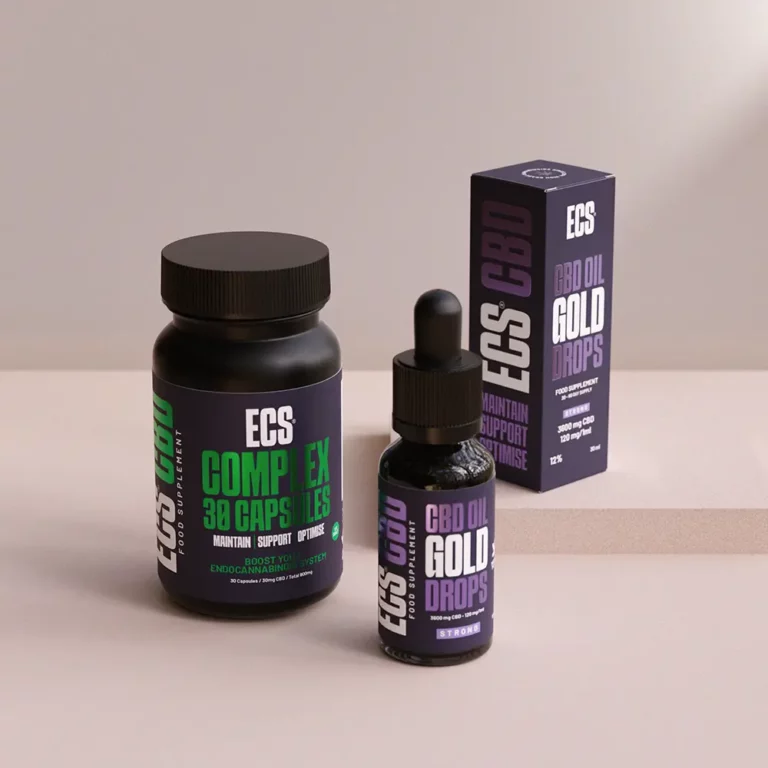
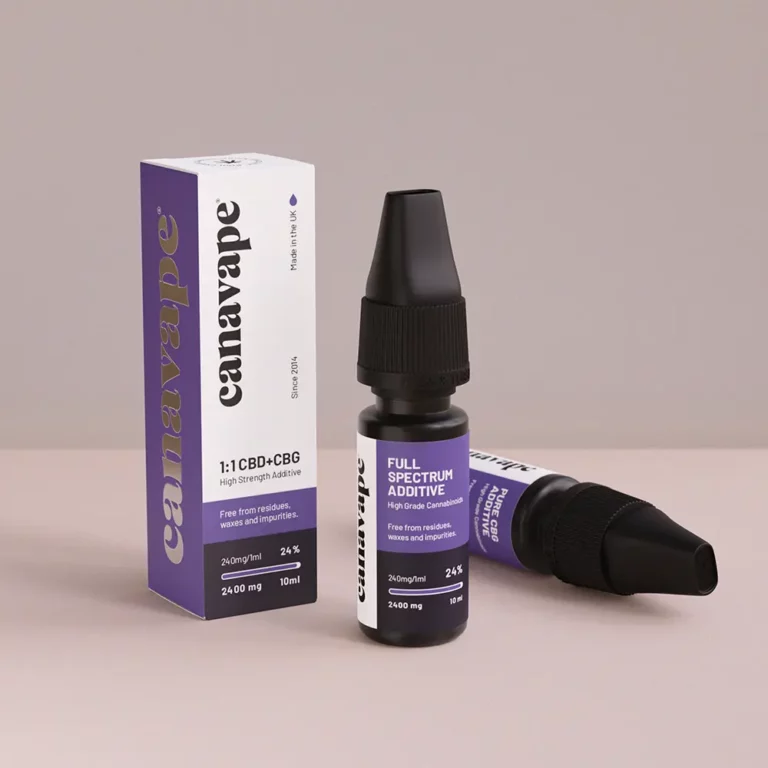
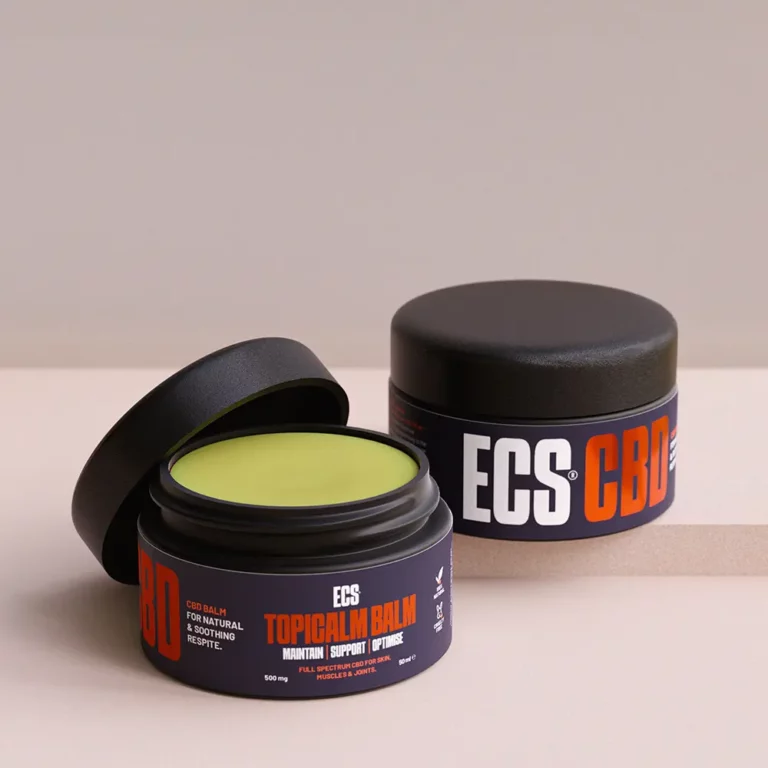
THCV is found naturally in certain cannabis strains, particularly some African sativa varieties, though modern cultivation and extraction methods have made it more accessible in product form. It can appear in oils, vape liquids, capsules, gummies, and other cannabinoid-based products. As with any cannabis-derived product, quality matters. Product strength, purity, and lab testing can make a big difference, especially when buying online in the UK.
From a UK perspective, legality is an important consideration. THCV itself is not as widely regulated or discussed as THC or CBD, but právní status depends on the exact product, its source, and its THC content. In practice, consumers should pay close attention to whether a product complies with UK law, particularly if it contains any measurable THC or is presented as a medicinal product. Because regulations can change and interpretation can vary, it is wise to check current guidance before buying or using THCV products.
Research into THCV is still relatively limited, but early studies have explored its potential in areas such as appetite regulation, krev sugar control, inflammation, and neurological health. While these findings are promising, THCV should be viewed as an emerging cannabinoid rather than a confirmed therapeutic option.
In summary, THCV is a lesser-known cannabinoid with a unique profile that sets it apart from THC and CBD. It is gaining interest for its potential energising and appetite-related effects, but the science is still young. For UK consumers, the key points are understanding what THCV is, recognising that product quality matters, and checking legality carefully before purchase or use.