
Whether you’re a newcomer to CBD or already a connoisseur, understanding the differences between the three major forms is essential for those looking to curate their own cannabis experience. In this blog, we’ll lay out the key differences to help you make an informed decision on which CBD products will best suit your needs.
CBD isolate is CBD in its purest form and remains one of the most distinct and versatile forms of CBD on the market. Derived from hemp, CBD isolate does not result in intoxication – or users feeling stoned – as the psychoactive component, THC, is found in minute quantities (0.03% or less). The extraction process removes all the active compounds from the cannabis plant and is followed by a refinement process that removes all remaining phytocannabinoids; what’s left is CBD in its purest form. In our opinion isolated cannabinoids offer by far the most versatile and safest option for products containing cannabinoids.
Although studies of CBD are still in their early stages and there’s no scientific consensus yet, CBD users often report a multitude of reported beneficial properties, including anxiety reduction, pain relief and reduced inflammation.
CBD isolate, however, exhibits a downside known as the bell-shaped response curve. A bell-shaped response curve represents efficacy that peaks when a medium amount of a substance is ingested but drops off at higher and lower amounts. The shape on the graph thus resembles a bell or an inverted ‘U’.
Broad-spectrum CBD is extracted from the cannabis plant along with other compounds (terpenes, essential oils, and other cannabinoids), meaning it’s less pure than CBD isolate. However, just like isolate, it’s still completely free from THC in the UK, the psychoactive cannabinoid. The term “broad-spectrum” is fairly newly formed and is commonly misused on CBD product labels.
As broad-spectrum CBD contains more than just CBD, with other cannabinoids and terpenes extracted too, it is linked with the entourage effect. The entourage effect is the name given to the synergistic properties that cannabinoids and terpenes have when they’re ingested together.
Compared to CBD isolate, broad-spectrum CBD potentially offers the entourage effect while still remaining essentially THC-free. This means that while consumers can take full advantage of its diversified cannabinoid and terpene profiles, it’s still in full compliance with the law. Products on this website contain multiple cannabinoids and terpenes classing many as full-spectrum.
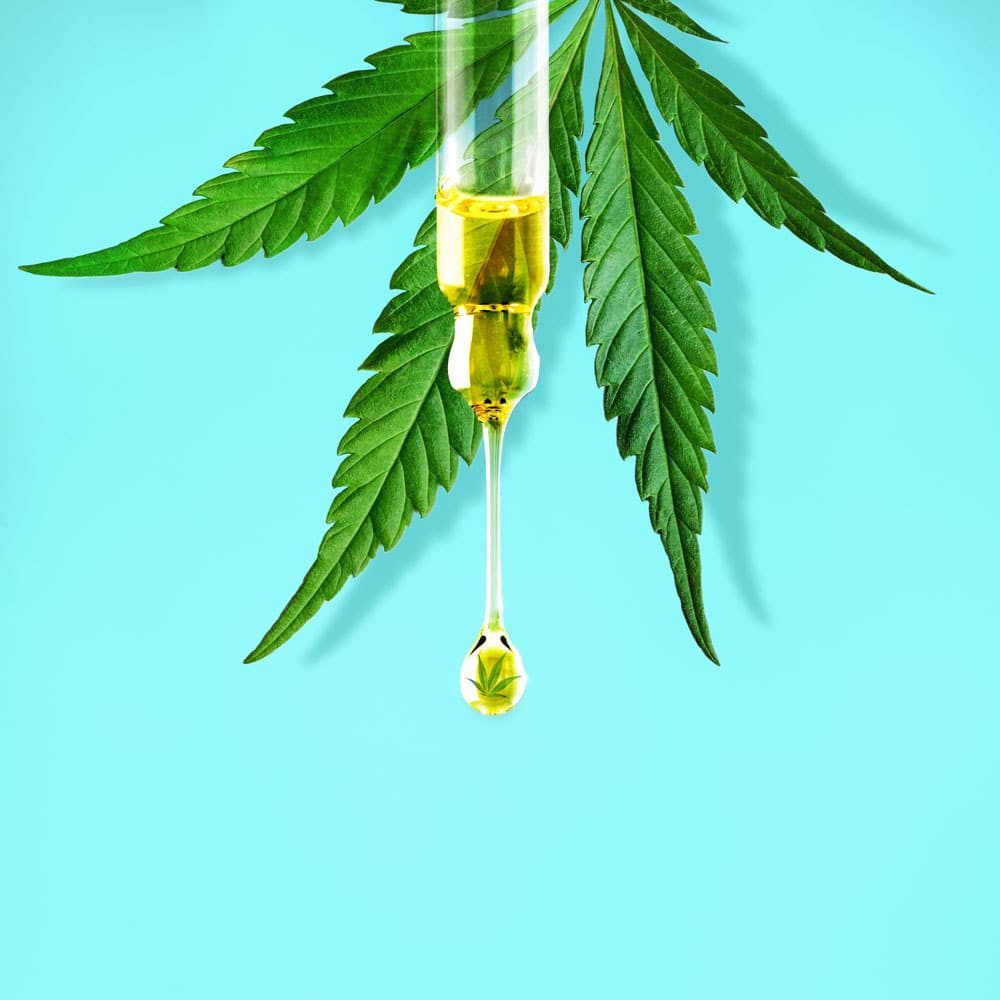
Full-spectrum CBD is extracted from the cannabis plant along with the full range of the plant’s compounds, including essential oils, terpenes and other cannabinoids. Unlike CBD isolate and broad-spectrum, THC is not actively removed from full-spectrum CBD and so it includes trace amounts of the cannabinoid and up (<0.3% – >80%).
Full-spectrum CBD contains the full range of cannabinoids that are found in the cannabis plant in nature. We mentioned previously how the effectiveness of CBD isolate is blunted as shown on the bell curve. With full-spectrum CBD, the curve disappears, perhaps due to the stimulation of the entourage effect that enables cannabinoids to work synergistically.
In this study, researchers found that CBD isolate was effective only at moderate doses. Full-spectrum CBD, however, became more effective at higher doses, underlining its synergistic benefits.
While full-spectrum CBD seems to offer better effectiveness than CBD isolate, there are some drawbacks. Firstly, as it contains traces of THC, this form may induce mild psychoactive or sedative effects, particularly to those who are new to CBD. Moreover, if it does contain THC it may also appear on drug tests, which can be problematic if you’re in employment where drug tests are mandatory.
No, taking pure CBD isolate will not cause you to feel stoned or intoxicated. CBD isolate is derived from hemp, and the extraction process removes almost all trace of the psychoactive compound THC. What remains after this extensive refinement process is CBD in its absolute purest form, which is entirely non-intoxicating.
Because the psychoactive components are filtered out, the level of THC left in the final product is minuscule, at 0.03% or less. Consequently, users can consume this versatile and distinct compound without worrying about any mind-altering or intoxicating effects, making it one of the safest options available for those looking to introduce cannabinoids into their daily wellness routine.
The bell-shaped response curve of CBD isolate means its effectiveness peaks at a moderate dose and drops off at higher or lower amounts. When plotted on a graph, this pattern resembles an upside-down ’U’ shape. This drop-off in efficacy at higher doses is considered one of the primary shortcomings of using pure CBD isolate on its own.
Because it lacks other active plant compounds, CBD isolate does not benefit from the synergistic actions found in multi-compound extracts. Research indicates that without the presence of supporting cannabinoids and terpenes, the pure isolated compound cannot sustain its therapeutic benefits beyond a specific, medium dosage window. This makes precise dosing crucial for users who choose isolates.
The entourage effect refers to the synergistic relationship that occurs when cannabinoids, terpenes, and essential oils are consumed together. Instead of working in isolation, these multiple plant compounds interact and support each other, which potentially enhances the overall therapeutic benefits of the cannabis plant. This makes multi-compound products highly popular with consumers.
When these elements are combined, they can bypass the dosage limitations associated with isolated CBD. For example, broad-spectrum CBD products contain various cannabinoids and terpenes without THC, allowing users to experience the benefits of this synergy. Full-spectrum products also include the full natural range of compounds, which further supports the entourage effect and prevents the therapeutic drop-off associated with isolates.
Broad-spectrum CBD is completely free from THC in the UK. This compound is extracted from the cannabis plant alongside other beneficial compounds like terpenes, essential oils, and minor cannabinoids, but the psychoactive component THC is actively removed during the manufacturing process. This allows users to experience the entourage effect legally.
By utilising broad-spectrum products, UK consumers can safely take advantage of a highly diversified cannabinoid and terpene profile while remaining in full compliance with the law. This makes broad-spectrum CBD an ideal compromise for those who want the enhanced therapeutic potential of multiple natural plant compounds, but who cannot or do not wish to ingest any THC.
Yes, there are some notable drawbacks to using full-spectrum CBD, primarily because it contains trace amounts of THC. Because THC is not actively removed from full-spectrum extracts, these products can contain varying levels of this compound. This presence of THC means that some users, particularly those new to CBD, may experience mild psychoactive or sedative effects.
Furthermore, because full-spectrum CBD contains traces of THC, it can show up on drug tests. This can be highly problematic for individuals who are in employment where mandatory drug screening is conducted. Consequently, while full-spectrum products are highly effective due to the entourage effect, they may not be suitable for everyone.
Please note: This blog post reflects historical data predating recent changes in cannabinoid laws, medical cannabis regulations, and some of our best CBD product names, strengths, and formulations. These historical blogs remain as a reference post our website update, but they might contain outdated information. Discover our updated CBD and legal cannabinoid products for the best CBD experience.

Message us directly
I will be back soon

