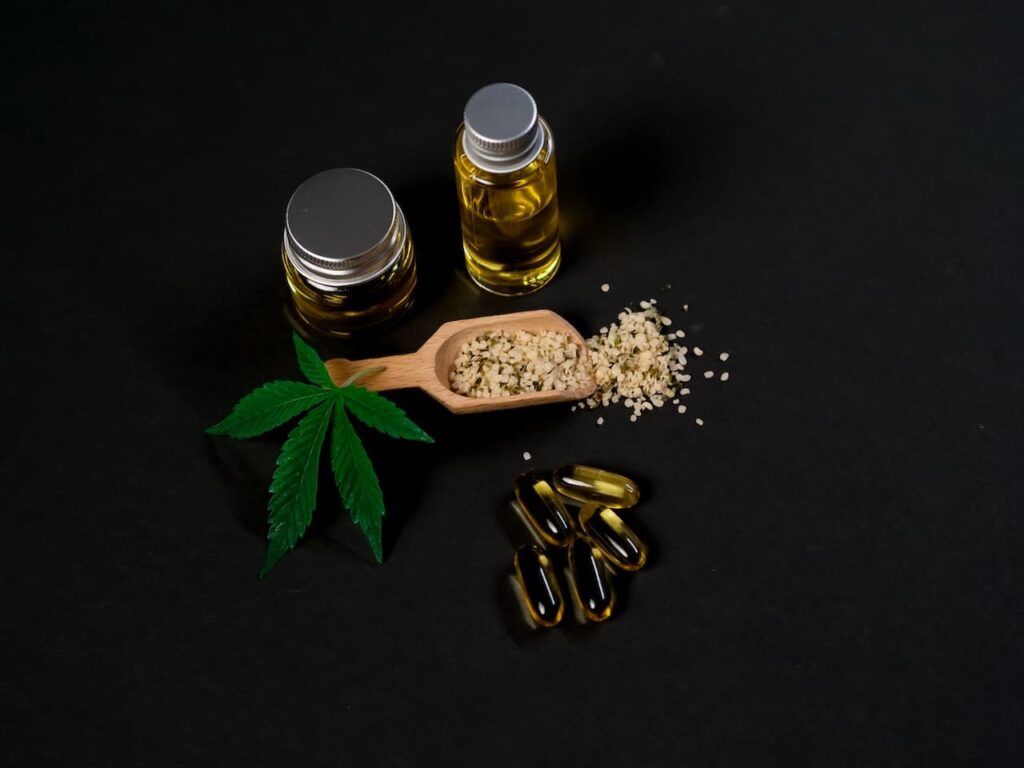
No, taking CBD oil will not make you feel high. Cannabidiol, or CBD, is a completely natural compound extracted from the cannabis plant, but it does not have any psychoactive effects. This is because it is entirely different from THC (tetrahydrocannabinol), which is the specific compound responsible for the mind-altering “high” commonly associated with marijuana.
Because it lacks these psychoactive properties, CBD oil has become an incredibly popular option for people looking to explore the potential therapeutic benefits of the cannabis plant without experiencing any cognitive impairment. Some scientific research suggests that CBD may help with daily wellness issues such as chronic pain, anxiety, and sleep disorders, although further studies are still required to fully understand these effects. You can safely incorporate CBD into your daily routine at home while remaining completely clear-headed.
There are several easy methods for using CBD oil at home, depending on your personal preferences. One of the most popular techniques is sublingual administration, where you drop the oil under your tongue. Alternatively, you can ingest CBD oil by adding it directly to your favourite food and drinks, such as your morning coffee, smoothies, salad dressings, or even home-baked goods like brownies.
For targeted physical relief, you can apply CBD oil topically by massaging it directly into your skin. Finally, some people choose to inhale CBD using a vaporiser or vape pen. Inhalation enters the bloodstream very quickly, though it may not be suitable for everyone. Each of these methods offers a different level of convenience and speed of absorption, allowing you to choose the option that best fits your daily routine.
Finding the right dosage of CBD oil typically involves a bit of trial and error because everybody’s body chemistry reacts differently. As a general rule, it is highly recommended to start with a very low daily dose, such as 5mg to 10mg. You should then gradually increase this amount over time until you achieve the desired effects. Keeping a detailed daily track of your dosage and how you feel can help you identify your optimal amount.
It is incredibly important to consult with a qualified healthcare professional before you start using any new supplement, including CBD. This is particularly crucial if you have any pre-existing medical conditions or if you are currently taking other prescribed medications, as CBD may potentially interact with them. A doctor can help guide you safely through this process.
The primary differences between sublingual administration and ingestion are the absorption speed and how much CBD actually enters your system. When you place CBD oil under your tongue and hold it there for about 60 seconds, it is absorbed directly into your bloodstream through the mucous membranes in your mouth. This bypassed digestive process results in much faster effects.
Conversely, when you swallow CBD or mix it into food and drinks, it must pass through your digestive system and liver first. This process significantly slows down the absorption rate and reduces the overall bioavailability of the compound, meaning your body absorbs less of the active ingredient. While ingestion takes longer to work, it remains a highly popular, tasty, and discreet way to enjoy CBD in your daily routine.
Yes, you can apply CBD oil directly to your skin as a topical treatment. Massage the oil gently into the affected area, which allows the cannabinoids to penetrate the skin surface and interact directly with the nearby cannabinoid receptors. This direct application makes topical CBD an excellent choice for targeting specific areas of localized physical discomfort or addressing particular skin concerns at home.
While you can use standard CBD oil for this, there are also many specialized CBD-infused topical products available on the market specifically designed for skin application. These include deeply soothing creams, balms, and daily lotions. Applying CBD topically is a highly localized method, meaning the CBD will act on the specific area where it is applied rather than entering your general bloodstream in large quantities.
Please note: This blog post reflects historical data predating recent changes in cannabinoid laws, medical cannabis regulations, and some of our best CBD product names, strengths, and formulations. These historical blogs remain as a reference post our website update, but they might contain outdated information. Discover our updated CBD and legal cannabinoid products for the best CBD experience.

Message us directly
I will be back soon

