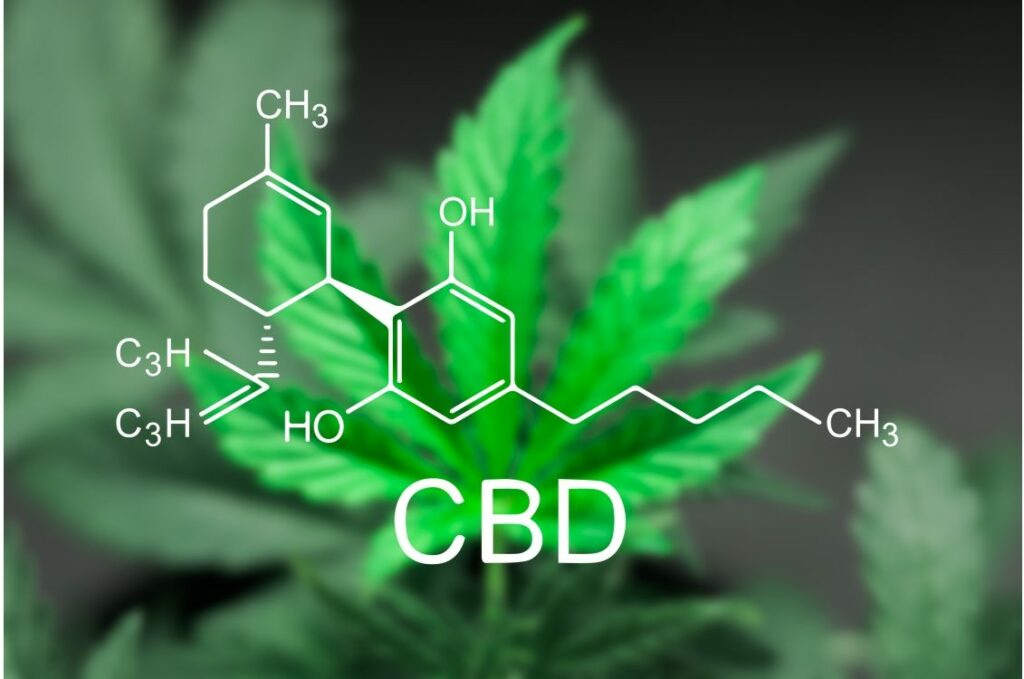
CBD oil, or cannabidiol, is a chemical compound derived from the cannabis plant, and its extraction methods have evolved over time. In recent years, the CO2 extraction method has emerged as the most reliable technique for obtaining high-quality full spectrum CBD oil.
The cannabis plant, utilized for its medicinal, spiritual, and recreational attributes for thousands of years, boasts a composition of 104 chemical compounds. Among them, CBD stands out. Unlike its close relative THC, CBD is completely legal.
To truly grasp CBD oil’s nature, it’s essential to separate it from the controversial marijuana plant. The plant has been marred by negative associations since its UK prohibition in 1928 and its medicinal ban in 1971.
What sets CBD oil apart from the cannabis plant is its minimal THC (Tetrahydrocannabinol) content. THC, a natural psychoactive compound, can alter consciousness, mood, and perception, producing a sensation of being high.
Unlike the cannabis plant, CBD is both legal and devoid of psychoactive properties.
CBD producers select hemp strains abundant in CBD. Reputable producers often cultivate distinct strains, each contributing unique properties to their products.
Cultivators specializing in high CBD strains recognize the synergy of cannabinoids like CBG and other terpenes. They skillfully blend these compounds to create full spectrum CBD oil, which offers diverse effects.
Over time, cannabis oil producers have developed various methods of extraction, with varying degrees of success. Presently, the CO2 extraction method reigns as the most effective and esteemed technique for obtaining CBD from cannabis.
This method leverages temperature and pressure to generate a full spectrum, highly concentrated, and entirely pure extract that is easily absorbed by the body.
The process employs pressurized carbon dioxide to draw out cannabinoids from the plant. The journey begins by cooling and pressurizing CO2 to transform it into a liquid. Gradually elevating both temperature and pressure turns the liquid ‘supercritical,’ at a juncture between liquid and gas.
This supercritical CO2 solution is then passed through the cannabis plant, extracting desired oils for the final product. Subsequently, the solution is condensed back into liquid form.
Ethanol, with its solvent attributes, can also extract CBD. However, the resulting product is often of inferior quality compared to CO2-extracted oil, as this process may eliminate certain cannabinoids.
Following extraction, the refining process ensues, often involving a method called winterization. This step entails soaking CBD extract in alcohol and then freezing it to separate waxes, lipids, and solvents. While this increases concentration, it might remove terpenes.
At Canavape, we exclusively use raw materials for CBD products extracted via CO2 extraction. We firmly believe that the distinction in quality justifies the time, effort, and investment. Explore our complete range of CBD E Liquids today or learn more about our other CBD products by getting in touch.
The CO2 extraction process relies on carefully controlled temperature and pressure to draw cannabinoids from the hemp plant, producing a highly concentrated and pure extract. The process begins by cooling and pressurising carbon dioxide gas to transform it into a liquid. Next, the technician gradually elevates both the temperature and the pressure. This forces the liquid into a “supercritical” state, where it possesses properties of both a liquid and a gas.
This supercritical CO2 solution is then passed through the harvested cannabis plant material, dissolving and carrying away the desired active oils. Once the extraction phase is complete, the pressure is released, and the CO2 solution is condensed back into its liquid form, leaving behind a pure, highly concentrated CBD extract. This clean method ensures the final product is easily absorbed by the human body without containing harmful residue.
The main difference lies in the quality of the final product and the preservation of cannabinoids. CO2 extraction is considered the most reliable and effective technique because it uses temperature and pressure to create a highly concentrated, pure, and easily absorbed full-spectrum extract. This clean process maintains the integrity of the valuable compounds found naturally within the hemp plant.
In contrast, ethanol extraction relies on the solvent attributes of alcohol to pull the CBD from the plant. Whilst this is a common method, the resulting oil is often of an inferior quality compared to CO2-extracted alternatives. This is because the ethanol process can unfortunately eliminate certain beneficial cannabinoids during the extraction process. For this reason, premium manufacturers prefer the CO2 method to guarantee a superior and more complete CBD product for their customers, despite it requiring more sophisticated equipment.
Following the initial extraction of the CBD, the crude extract undergoes a refinement process which frequently includes a specialised method known as winterisation. This crucial step is designed to purify the extract by separating unwanted elements from the beneficial cannabinoids. To achieve this, technicians soak the raw CBD extract in alcohol and then freeze the mixture.
Freezing causes the heavier, undesirable elements like waxes, lipids, and leftover solvents to solidify and separate from the liquid. Once these unwanted materials are filtered out, the concentration of the CBD in the remaining solution is successfully increased. However, there is a minor drawback to this purification step. While winterisation produces a much cleaner and more concentrated final product, the process might also inadvertently remove some of the natural aromatic terpenes that contribute to the plant’s overall profile.
To create a high-quality full spectrum CBD oil, producers begin by carefully selecting specific hemp strains that are naturally abundant in CBD. Reputable cultivators often grow distinct, specialised strains of cannabis, each of which contributes its own unique properties to the final formulation.
These expert cultivators recognise the synergistic relationship between different plant compounds. Instead of isolating the CBD, they focus on the natural harmony of cannabinoids, such as CBG, alongside various aromatic terpenes. By skillfully blending these diverse chemical compounds together, they are able to manufacture a full spectrum CBD oil. This comprehensive blend ensures that the final oil delivers a diverse range of effects, rather than just the isolated benefits of a single cannabinoid. Using CO2 extraction further ensures that these delicate compounds are preserved in their purest, most concentrated form.
The primary distinction between CBD oil and the raw cannabis plant is the concentration of THC, or Tetrahydrocannabinol. The cannabis plant natively contains a complex mix of over one hundred chemical compounds, with THC being the natural psychoactive component responsible for altering consciousness, mood, and perception, which produces the sensation of being high.
CBD oil, on the other hand, is specifically processed to contain minimal to no THC. This ensures that CBD remains completely non-psyactive, meaning it will not alter your state of mind. Consequently, while the wider cannabis plant has faced negative associations and legal prohibitions in the UK dating back to 1928, CBD itself is entirely legal. By utilising specific hemp strains and extraction methods, producers can isolate the beneficial, legal parts of the plant while leaving the psychoactive elements behind.
The CO2 extraction process relies on carefully controlled temperature and pressure to draw cannabinoids from the hemp plant, producing a highly concentrated and pure extract. The process begins by cooling and pressurising carbon dioxide gas to transform it into a liquid. Next, the technician gradually elevates both the temperature and the pressure. This forces the liquid into a “supercritical” state, where it possesses properties of both a liquid and a gas.
This supercritical CO2 solution is then passed through the harvested cannabis plant material, dissolving and carrying away the desired active oils. Once the extraction phase is complete, the pressure is released, and the CO2 solution is condensed back into its liquid form, leaving behind a pure, highly concentrated CBD extract. This clean method ensures the final product is easily absorbed by the human body without containing harmful residue.
The main difference lies in the quality of the final product and the preservation of cannabinoids. CO2 extraction is considered the most reliable and effective technique because it uses temperature and pressure to create a highly concentrated, pure, and easily absorbed full-spectrum extract. This clean process maintains the integrity of the valuable compounds found naturally within the hemp plant.
In contrast, ethanol extraction relies on the solvent attributes of alcohol to pull the CBD from the plant. Whilst this is a common method, the resulting oil is often of an inferior quality compared to CO2-extracted alternatives. This is because the ethanol process can unfortunately eliminate certain beneficial cannabinoids during the extraction process. For this reason, premium manufacturers prefer the CO2 method to guarantee a superior and more complete CBD product for their customers, despite it requiring more sophisticated equipment.
Following the initial extraction of the CBD, the crude extract undergoes a refinement process which frequently includes a specialised method known as winterisation. This crucial step is designed to purify the extract by separating unwanted elements from the beneficial cannabinoids. To achieve this, technicians soak the raw CBD extract in alcohol and then freeze the mixture.
Freezing causes the heavier, undesirable elements like waxes, lipids, and leftover solvents to solidify and separate from the liquid. Once these unwanted materials are filtered out, the concentration of the CBD in the remaining solution is successfully increased. However, there is a minor drawback to this purification step. While winterisation produces a much cleaner and more concentrated final product, the process might also inadvertently remove some of the natural aromatic terpenes that contribute to the plant’s overall profile.
To create a high-quality full spectrum CBD oil, producers begin by carefully selecting specific hemp strains that are naturally abundant in CBD. Reputable cultivators often grow distinct, specialised strains of cannabis, each of which contributes its own unique properties to the final formulation.
These expert cultivators recognise the synergistic relationship between different plant compounds. Instead of isolating the CBD, they focus on the natural harmony of cannabinoids, such as CBG, alongside various aromatic terpenes. By skillfully blending these diverse chemical compounds together, they are able to manufacture a full spectrum CBD oil. This comprehensive blend ensures that the final oil delivers a diverse range of effects, rather than just the isolated benefits of a single cannabinoid. Using CO2 extraction further ensures that these delicate compounds are preserved in their purest, most concentrated form.
The primary distinction between CBD oil and the raw cannabis plant is the concentration of THC, or Tetrahydrocannabinol. The cannabis plant natively contains a complex mix of over one hundred chemical compounds, with THC being the natural psychoactive component responsible for altering consciousness, mood, and perception, which produces the sensation of being high.
CBD oil, on the other hand, is specifically processed to contain minimal to no THC. This ensures that CBD remains completely non-psyactive, meaning it will not alter your state of mind. Consequently, while the wider cannabis plant has faced negative associations and legal prohibitions in the UK dating back to 1928, CBD itself is entirely legal. By utilising specific hemp strains and extraction methods, producers can isolate the beneficial, legal parts of the plant while leaving the psychoactive elements behind.
Please note: This blog post reflects historical data predating recent changes in cannabinoid laws, medical cannabis regulations, and some of our best CBD product names, strengths, and formulations. These historical blogs remain as a reference post our website update, but they might contain outdated information. Discover our updated CBD and legal cannabinoid products for the best CBD experience.

Message us directly
I will be back soon

