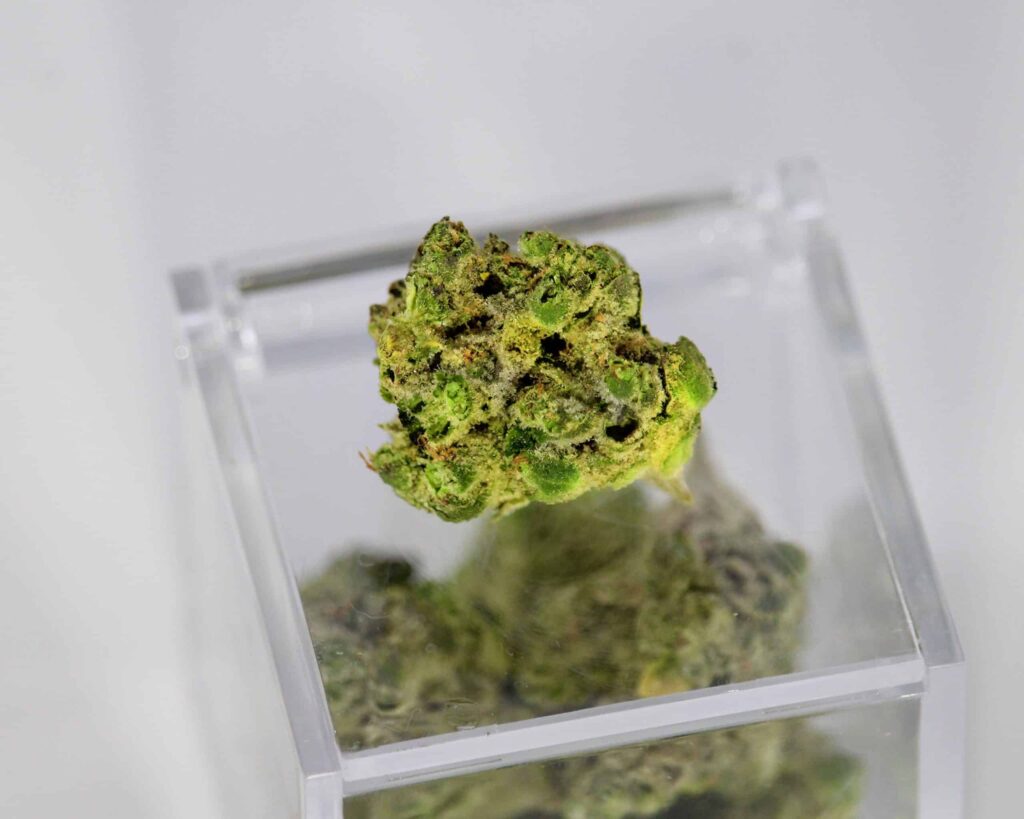
Terpenes are organic compounds produced naturally by a variety of plants, including cannabis, and they are responsible for their distinctive aromas and flavours. In the cannabis plant, terpenes are produced in the exact same glands that manufacture cannabinoids such as THC and CBD. These organic compounds can also be found in the essential oils of many other plants, fruits, flowers, and herbs.
Historically, plants use terpenes as a vital part of their natural defence mechanisms. For humans, these compounds have been utilised for centuries in aromatherapy and alternative medicine. Each individual cannabis strain features its own unique combination of terpenes, which directly determines how that specific strain smells and tastes. Scientists have discovered over 200 different types of terpenes in cannabis, each contributing to the plant’s unique profile.
Terpenes function primarily by engaging directly with the body’s endocannabinoid system, which is responsible for regulating crucial functions like mood, sleep, and appetite. When you consume cannabis, the terpenes bind to receptors within this system to produce various therapeutic effects. This interaction allows them to influence how you feel both physically and mentally.
Furthermore, terpenes work by interacting with other natural compounds present inside the plant, such as cannabinoids. When these terpenes and cannabinoids are combined, they create a synergistic reaction known as the entourage effect. This cooperative interaction enhances the overall therapeutic benefits of both compounds, making them more effective together than they would be in isolation. This synergy is why many users seek out products that combine both cannabinoids and terpenes.
Several key terpenes frequently appear in cannabis strains, each carrying a highly distinct scent profile. Myrcene is the most abundant terpene found in cannabis and delivers an earthy aroma. Limonene is characterised by a bright, citrusy scent, while pinene offers a distinct pine needle aroma. Linalool carries a floral, lavender scent, and caryophyllene provides a spicy aroma similar to black pepper.
These scents do more than just provide flavour; they also indicate the potential therapeutic properties of the strain. Because each cannabis strain contains a completely unique combination and concentration of these organic compounds, the aroma can vary wildly from one strain to the next. Learning to recognise these aromas can help consumers identify which terpenes are dominant in a particular flower or extract.
Terpenes are associated with a wide variety of therapeutic properties. Many of these organic compounds acts as natural anti-inflammatories, which can assist in reducing overall bodily swelling and irritation. Additionally, certain terpenes possess analgesic qualities that can help to ease physical pain. These physical benefits make them a major area of study for alternative medicine.
On a mental level, terpenes can provide significant psychological support. Some terpenes have been shown to contain anti-anxiety properties, which can help to lower stress levels and induce relaxation. Others act as potent mood enhancers, assisting in the alleviation of depression and promoting a better state of mind. Certain specific terpenes, such as myrcene and linalool, also function as powerful sedatives, helping to improve sleep quality.
Each of these terpenes offers highly specific health benefits. Pinene is known for its anti-inflammatory properties, acts as a bronchodilator to help open up airways, and is considered a powerful memory enhancer. Limonene also provides anti-inflammatory effects alongside potential anti-cancer properties, and it is highly regarded as a potent mood booster that can elevate your emotional state.
Meanwhile, caryophyllene stands out as a strong antioxidant. It also delivers robust anti-inflammatory and analgesic benefits, making it highly effective for targeting pain and swelling. By understanding these specific characteristics, consumers can make far more informed decisions when choosing cannabis strains or terpene-infused products to address their personal health and wellness needs.
Please note: This blog post reflects historical data predating recent changes in cannabinoid laws, medical cannabis regulations, and some of our best CBD product names, strengths, and formulations. These historical blogs remain as a reference post our website update, but they might contain outdated information. Discover our updated CBD and legal cannabinoid products for the best CBD experience.

Message us directly
I will be back soon

