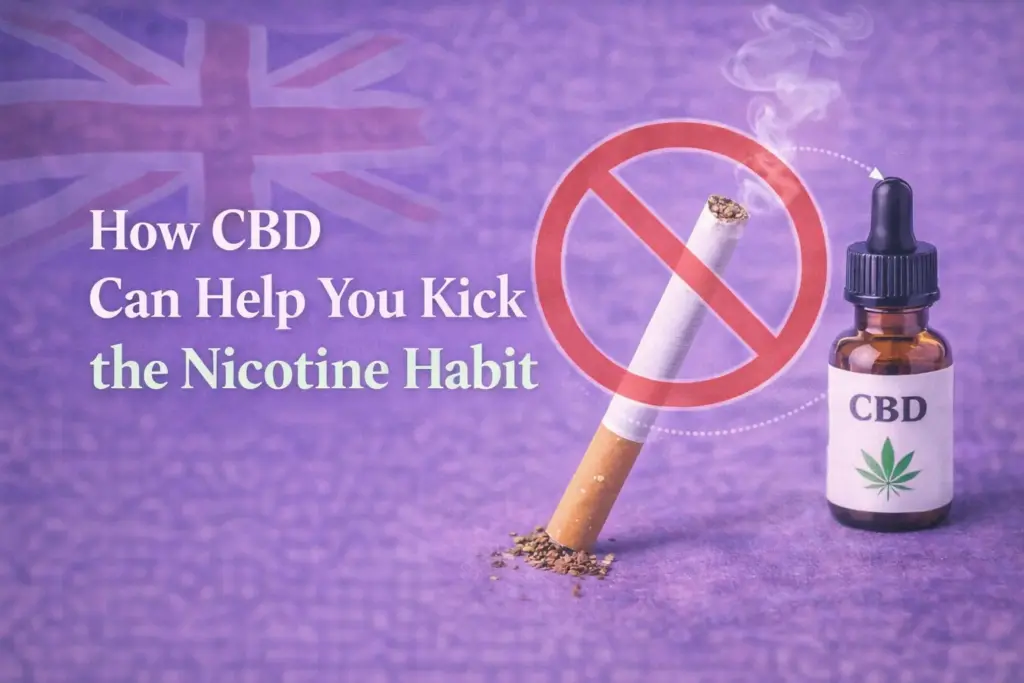
Most quit-smoking aids leave you craving something else. But cbd for reducing nicotine offers a different path, one that eases those urges without swapping one habit for another.
If you’ve tried cutting back before, this approach might be the missing piece you need.
Keep reading to see how cbd vape to quit nicotine could change your quitting strategy.
Let’s kick off by exploring the roots of CBD and how it relates to nicotine addiction.
This understanding is crucial before delving into why CBD might be your ticket to quitting nicotine for good.
CBD, or cannabidiol, is a compound found in the cannabis plant. Unlike THC, CBD doesn’t get you high. Instead, it offers calming effects without altering your mind.
It’s gaining popularity for helping with stress, pain, and now, nicotine reduction. With its non-psychoactive nature, CBD is considered suitable for many people as part of a daily routine.
Many people report feeling more relaxed and focused after using CBD, making it an appealing option for those looking to quit nicotine. If you want a clear UK overview first, start here: is CBD legal in the UK.
Nicotine is a powerful stimulant that hooks you quickly. It increases your heart rate and releases dopamine, the feel-good chemical.
This is why smoking feels rewarding. However, nicotine also raises blood pressure and can lead to dependence, making it hard to quit.
Each time you light up, your body craves more, creating a vicious cycle.
Breaking this cycle requires more than willpower; understanding the grip nicotine has on you is the first step.
It also helps to remember that nicotine dependence usually has two parts.
One is chemical dependence, where your brain expects that dopamine hit.
The other is behavioural, where routines like “after coffee” or “on the drive” trigger automatic cravings.
This is exactly why many people find swapping the ritual is just as important as reducing nicotine itself.
Quitting nicotine is tough because it’s not just a physical addiction, it’s a psychological one too.
Your brain associates smoking with stress relief or socialising, making it hard to stop. The withdrawal symptoms, like irritability and cravings, are challenging to manage.
Many people relapse because they miss the habit or the feeling smoking provides.
But, what if there was a way to curb those cravings without lighting up?
This is where CBD vaping can appeal.
It can keep the hand-to-mouth routine, the inhale/exhale pattern, and the “break” moment, while you work on reducing nicotine triggers over time.
With a clear understanding of CBD and nicotine, it’s time to dive into the science. CBD’s role in reducing nicotine reliance is backed by intriguing research and findings.
CBD works by interacting with your body’s endocannabinoid system, which regulates mood, pain, and appetite.
By balancing these areas, CBD may help reduce stress and anxiety, common triggers for smoking.
Research also suggests CBD may influence cue-driven behaviours and cravings in some people, which is one reason it’s being explored in addiction-related settings.
That matters because a huge chunk of nicotine dependence is cue-based.
Smokers often don’t crave nicotine randomly.
They crave it when a cue hits: stress, boredom, certain people, certain places, certain times of day.
If you can reduce the intensity of those cue-driven urges, you make quitting more manageable.
Studies suggest that CBD can help reduce addictive behaviours in certain contexts.
One small pilot study in the journal Addictive Behaviors reported that smokers using a CBD inhaler reduced the number of cigarettes smoked compared with placebo over a week.
Here’s a useful external reference to that paper: Cannabidiol reduces cigarette consumption in tobacco smokers.
There are also broader scientific discussions around CBD, cues, and addiction-related patterns, including nicotine cue processing.
If you want a deeper research angle, this paper is a helpful external starting point: Cannabidiol reverses attentional bias to cigarette cues.
More research is still needed and results vary person to person, but the direction is interesting: CBD is being explored as a support tool rather than a “magic switch”.
So, why choose CBD? For starters, it’s non-intoxicating and many people find it easy to work into a daily routine. Users often report fewer cravings and reduced stress.
The longer you wait to try a structured plan, the more cigarettes you might smoke by default.
By incorporating CBD alongside a reduction strategy, you might find yourself reaching for fewer cigarettes and leaning less on nicotine to “take the edge off”.
It also helps that CBD vaping can feel familiar.
For a lot of people, the habit is the hardest part to break.
Replacing that habit with a CBD vape can be a stepping stone while you reduce nicotine and re-train the routine.
Now that you know the science, it’s time to pick the right CBD products. With various options available, choosing the best one for nicotine reduction is key.
Vaping CBD is gaining traction as a smoking alternative. It mimics the hand-to-mouth action of smoking, making it easier to transition.
The CBD vaping and nicotine reduction strategy helps because it satisfies the physical habit while delivering calming effects.
Many users find that this method reduces their cigarette cravings significantly. For those who find comfort in the act of smoking itself, vaping could be your solution.
If you’re choosing your first setup, this guide will help: CBD vape UK guide when choosing your first device.
And if you want a broader overview of compliant products, start here: CBD vape.
When choosing your first CBD vape device, consider factors like battery life, size, and ease of use. A good device ensures a smooth experience, making it more likely you’ll stick with it.
Look for devices that are beginner-friendly and reliable. With the right device, switching from nicotine to CBD becomes more seamless, helping you stay committed to your goal.
If you’re also trying to keep costs down while you reduce nicotine, refillable devices can make sense because you’re not constantly replacing disposable items.
You can also control the strength more easily, which matters when you’re trying to find a level that supports cravings without feeling heavy.
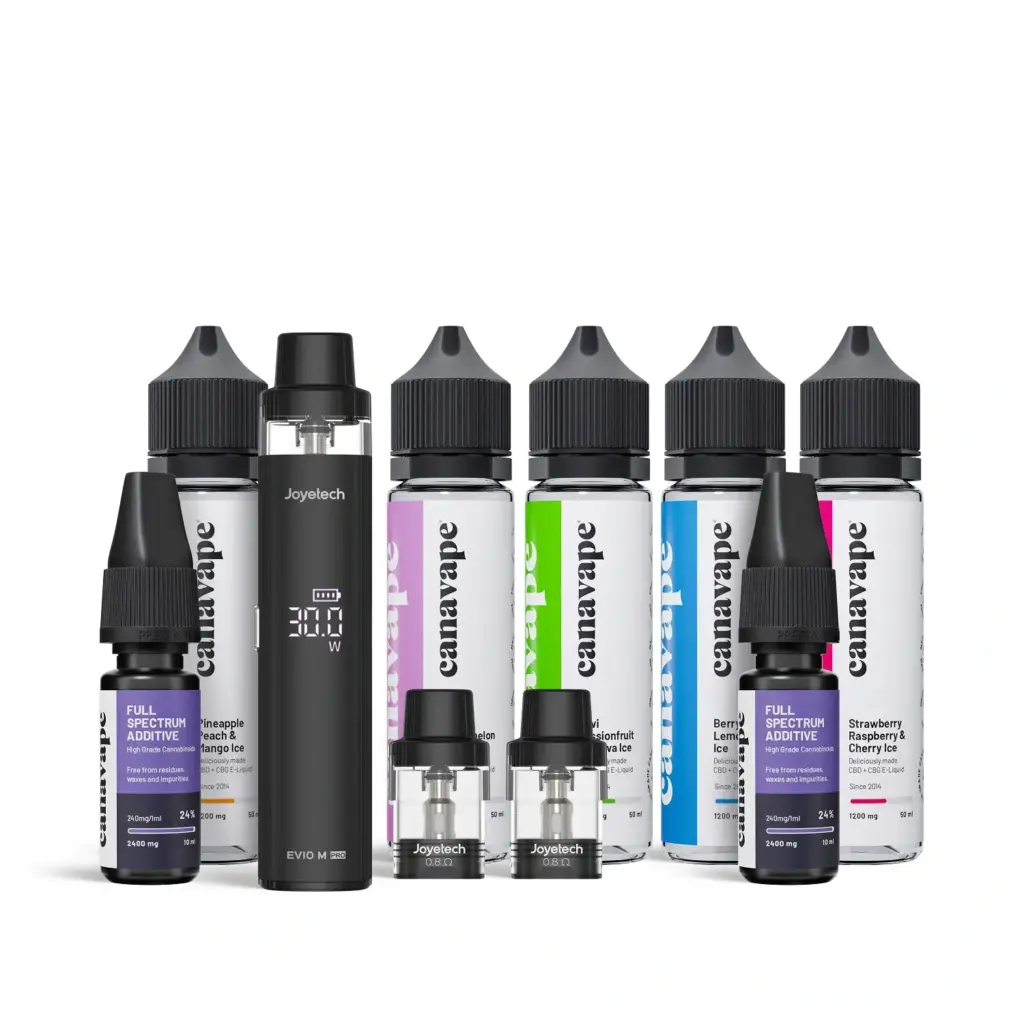
The market offers a variety of CBD vape products. From cartridges to refillable e-liquids, each has its benefits. Cartridges are clean and convenient, while refillable options offer more flexibility.
Consider what fits your lifestyle best. Do you prefer something discreet or a product with more flavour options?
Choosing the right product can enhance your quitting journey, making it more enjoyable.
If you’re unsure on strength, use this as your reference point: choosing the right CBD vape strength.
Let’s wrap up with actionable steps. Here’s how to incorporate CBD into your quit-smoking plan effectively.
Start by setting clear goals. Decide how much you want to reduce your nicotine intake weekly. Gradually replace cigarettes with CBD. Keep a journal to track your progress.
Your plan should fit your lifestyle, making it easier to follow.
Remember, it’s a journey… not a race. Tailoring your approach increases your chances of success.
A simple approach many people use is “delay and replace”.
When you want a cigarette, delay it by 10 minutes and use your CBD vape instead.
Over time, that delay becomes 20 minutes, then 30, then an hour.
This gradually weakens the automatic link between craving and nicotine.
Regularly assess how you’re feeling. Note any changes in cravings or mood. If something isn’t working, tweak your strategy.
Maybe you need a different CBD dosage or product. Adapt as needed.
This flexibility helps you stay on track and motivated. Most people think quitting is a straight path, but it’s okay to make adjustments along the way.
If you’re someone who smokes more under stress, try tracking “stress moments” rather than just cigarette numbers.
Those moments are often where relapse happens, so having a plan for them is usually more effective than pure willpower.
Incorporate CBD into other lifestyle changes. Use it to complement exercise or mindfulness practices. This holistic approach boosts your chances of quitting for good.
As you reduce nicotine, you might find other areas of your life improving too.
CBD can be a supportive ally in creating healthier habits overall. By embracing these changes, you’re setting yourself up for long-term success.
CBD may help some people manage stress, anxiety, and cue-based cravings that often trigger smoking. While it does not replace nicotine directly, many users find it useful as a support tool when reducing or quitting nicotine.
CBD vape does not contain nicotine, so it avoids maintaining nicotine dependence. Some people prefer CBD vaping because it keeps the familiar hand-to-mouth routine while helping them step away from nicotine entirely.
CBD vape is fast acting and is often felt within minutes. Effects may last one to three hours depending on strength, usage, and individual metabolism.
Many people start with a moderate strength and adjust based on cravings and stress levels. Lower strengths may suit light smokers, while heavier smokers sometimes prefer higher strengths during early reduction stages.
Some people use CBD alongside patches or gum, but approaches vary. If you are using prescribed nicotine replacement therapy, it is sensible to introduce changes gradually and monitor how you feel.
No. Legal CBD vape products in the UK do not produce intoxication. They are non-psychoactive and are designed to support calm and balance without impairment.
Yes, CBD vape is legal in the UK when it meets compliance requirements and contains no more than trace legal limits of controlled cannabinoids.
Many users report CBD helps them feel calmer during stressful moments, which are common smoking triggers. This may make it easier to delay or avoid reaching for nicotine.
Some people use CBD vape only during craving moments, while others use it more regularly at first. Over time, many reduce usage as nicotine cravings ease.
CBD is not considered addictive and does not create physical dependence in the way nicotine does.
CBD is not a nicotine replacement therapy, and it’s not positioned as a medical treatment for addiction.
Think of it as a tool that may help you manage cravings, stress, and routine changes while you reduce nicotine.
If you’re heavily dependent on nicotine, combining CBD with structured support can be the strongest approach.
That might include behavioural techniques, stop-smoking programmes, or professional guidance where appropriate.
If you want more background on why vaping is replacing nicotine for some people, this is a good read: the rise of CBD vaping.
In conclusion, CBD offers a promising alternative to traditional quit-smoking aids. Its calming effects, combined with the ritual of vaping, can make the transition smoother.
By choosing the right products and creating a personalised plan, you’re well on your way to a smoke-free life.
Remember, every small step counts. Keep exploring and adjusting until you find what works best for you.
Your healthier future is within reach!
