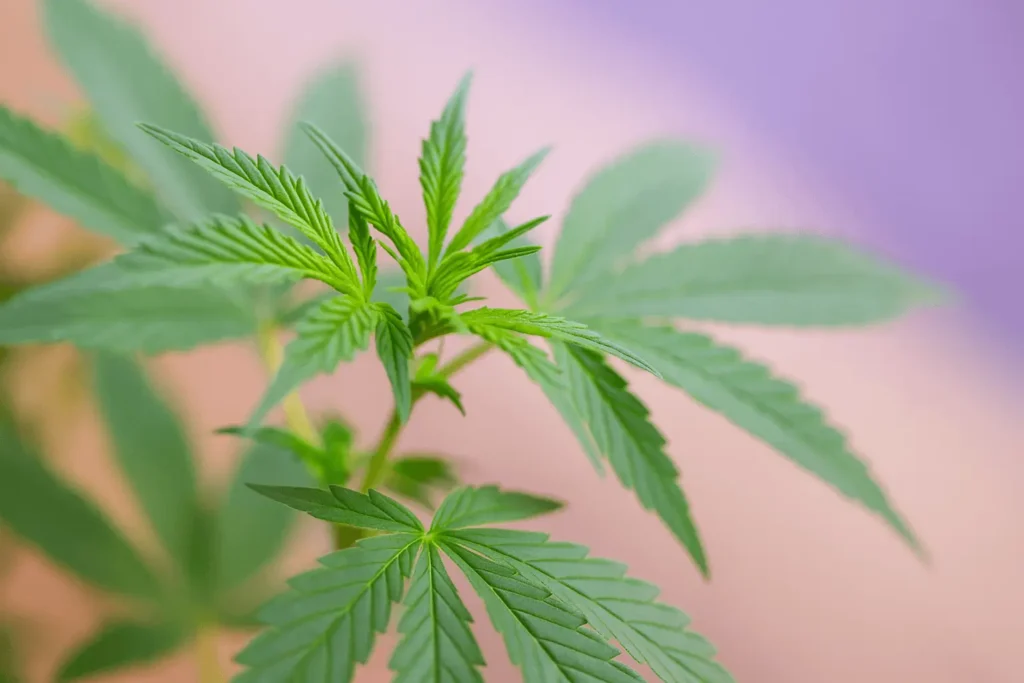
In the ever-expanding world of cannabinoids, most of us are familiar with the likes of CBD and THC, but what is CBG and why should it catch our attention?
Cannabigerol, or CBG, is a lesser-known compound that plays a crucial role in the cannabis plant, acting as a precursor to many other cannabinoids.
Emerging research hints at its potential health benefits, ranging from anti-inflammatory properties to neuroprotective effects.
As we delve deeper into the myriad of cannabinoids available, understanding CBG could open up new avenues for both medicinal and recreational use.
Join us as we unravel the mysteries and benefits of this intriguing compound.

Cannabigerol (CBG) is gaining attention due to its unique role in the cannabis plant.
While it might not be as well-known as CBD or THC, it is essential to understand CBG to fully appreciate its potential uses and benefits.
CBG, or cannabigerol, is one of the many cannabinoids found in the cannabis plant.
Unlike THC or CBD, CBG is a non-intoxicating compound, meaning it does not produce the “high” associated with cannabis use.
It serves as a chemical precursor that eventually transforms into other cannabinoids.
The process begins with CBGA, the acidic form of CBG, which undergoes enzymatic reactions to form CBD, THC, and CBC.
This transformation makes CBG a crucial element in the cannabinoid lifecycle.
Understanding what CBG is and its role in cannabinoid synthesis can help in appreciating its potential health benefits.
While research is still emerging, CBG’s unique properties suggest it could offer significant therapeutic applications.
CBG is often referred to as the “mother” of all cannabinoids. This nickname arises because CBG is the first cannabinoid to form in the cannabis plant.
In the early stages of growth, cannabis plants primarily produce CBGA, which later converts into other cannabinoids through biosynthesis.
The concentration of CBG in mature cannabis plants tends to be low, often less than 1%.
This scarcity makes CBG extraction more challenging and expensive compared to other cannabinoids.
Despite its low concentration, CBG’s origin as a precursor makes it a valuable target for genetic modification.
Scientists are exploring ways to enhance CBG production in plants, which could lead to more accessible and affordable CBG offerings in the future.
CBG, CBD, and THC are all cannabinoids but differ significantly in their effects and uses. Here’s a simple comparison:
| Feature | CBG | CBD | THC |
|---|---|---|---|
| Intoxicating | No | No | Yes |
| Role in Plant | Precursor | Derived from CBG | Derived from CBG |
| Effects | Neuroprotective | Anti-anxiety, anti-inflammatory | Psychoactive |
Understanding the differences between CBG, CBD, and THC helps consumers make informed choices about which cannabinoid best suits their needs.
While THC offers psychoactive effects, CBD is often used for its calming properties. CBG, on the other hand, is emerging as a compound with potential neuroprotective benefits.
To comprehend the potential benefits of CBG, it’s crucial to explore how this cannabinoid interacts with our body.
CBG’s mechanisms involve a complex interaction with the endocannabinoid system.
CBG interacts with the endocannabinoid system (ECS), which plays a pivotal role in maintaining homeostasis in the body.
The ECS comprises cannabinoid receptors, notably CB1 and CB2, endocannabinoids, and enzymes.
Unlike THC, which primarily binds to CB1 receptors, CBG is thought to have a broader range of action.
It interacts with both CB1 and CB2 receptors, potentially modulating the effects of other cannabinoids.
This interaction suggests CBG may influence mood, pain, and inflammation.
Understanding these interactions helps in appreciating how CBG can contribute to maintaining balance within our bodies.
While research is ongoing, the ECS remains a promising area for understanding cannabinoid effects.
CBG is believed to have several biological functions that could be beneficial for health.
Some of these include:
These functions make CBG a candidate for further research in medical applications.
However, more studies are necessary to confirm its efficacy and true effects within the endocannabinoid system.
As research into CBG progresses, its potential benefits for health and wellness become more apparent.
From reducing inflammation to supporting brain health, CBG offers promising applications.
One of the most researched aspects of CBG is its potential to reduce inflammation.
Studies suggest CBG can inhibit inflammatory markers, which is crucial for conditions like arthritis.
These properties make CBG an attractive option for those seeking natural anti-inflammatory solutions.
However, consult a healthcare provider before using CBG for medical purposes.
CBG’s potential neuroprotective effects hold promise for treating various neurological conditions. Research indicates CBG might protect brain cells and support nerve health.
Understanding these effects could open new doors for treating neurological disorders with fewer side effects compared to conventional therapies.
CBG might also benefit digestive health, offering relief for those with gastrointestinal issues.
Emerging research suggests:
These potential benefits make CBG an interesting option for those seeking to improve their digestive well-being naturally.
As awareness of CBG grows, its presence in the market is also increasing.
Understanding its availability and future potential is key for consumers interested in exploring this cannabinoid.
Currently, CBG products are less common than CBD or THC products, but interest is growing. The market includes:
Despite its limited availability, the demand for CBG is slowly increasing.
As research continues, more products are likely to enter the market, catering to diverse consumer needs.

The future of CBG looks promising, with ongoing research exploring its full potential. Scientists are investigating:
As these areas progress, CBG could become a mainstream cannabinoid, offering new possibilities for both medicinal and recreational use.
Before integrating CBG into your routine, it’s essential to consider legal and safety aspects.
Understanding these factors ensures safe and informed use of this cannabinoid.
The legal status of CBG varies by region, much like other cannabinoids. Key considerations include:
Understanding the legal landscape helps consumers navigate the market responsibly, ensuring compliance with regional regulations.
While CBG is generally considered safe, it’s important to be aware of potential side effects:
By taking these precautions, consumers can enjoy the potential benefits of CBG while minimising any risks associated with its use.
Cannabigerol, or CBG, is one of the many cannabinoids found in the cannabis plant. It is a non-intoxicating compound, meaning it does not produce the psychoactive “high” associated with cannabis use. It is widely referred to as the “mother” of all cannabinoids because it serves as the essential chemical precursor to others.
During the early growth stages, the cannabis plant primarily produces the acidic form of CBG, known as CBGA. Over time, this compound undergoes enzymatic reactions to form other cannabinoids such as CBD, THC, and CBC. Because it mostly converts into these other substances as the plant matures, the concentration of CBG in fully mature cannabis plants is usually very low, often less than 1%.
CBG works by interacting directly with the body’s endocannabinoid system, or ECS, which is responsible for maintaining overall balance and homeostasis. The ECS is made up of cannabinoid receptors, endocannabinoids, and enzymes. Unlike THC, which mainly binds to CB1 receptors, CBG interacts with both CB1 and CB2 receptors in the body.
By engaging with both types of receptors, CBG is thought to have a broader range of action and may modulate the effects of other cannabinoids. This unique biological interaction is what allows CBG to potentially influence mood, pain, and inflammation. Because of its broad receptor activity, scientists are continuing to study CBG to understand how it helps to regulate and support internal balance.
Emerging research suggests that CBG has several biological functions that could offer therapeutic benefits. For brain health, CBG shows potential neuroprotective effects, meaning it may help protect nerve cells from damage, which is vital for neurodegenerative diseases like Huntington’s disease. It may also help support the brain by reducing oxidative stress.
For physical health, CBG’s anti-inflammatory properties are highly researched. It can inhibit inflammatory markers, potentially offering a natural alternative to traditional anti-inflammatory drugs for conditions like arthritis or inflammatory bowel disease. Additionally, CBG is linked to pain relief, mood regulation, and anxiety reduction. In terms of digestive health, research suggests CBG may reduce intestinal inflammation to assist with gastrointestinal issues like Crohn’s disease.
Although CBG is not yet as common or widespread in the retail market as CBD or THC, consumer interest is growing and products are becoming more available. Currently, the market offers CBG oils, CBG tinctures, and topical skin applications that contain CBG. Consumers can also find combined cannabinoid products that feature CBG alongside other active compounds.
Additionally, pure CBG isolate is available to purchase directly from Canavape. Because the concentration of CBG is so low in mature plants, extracting it is traditionally a complex and expensive process. However, as scientific research advances, experts are exploring genetic modifications to increase plant yields and developing more efficient extraction methods to help lower retail costs in the future.
The legal status of CBG varies depending on your region. Because it is a non-psychoactive cannabinoid, its legal standing often aligns closely with that of CBD. However, local regulations can sometimes differ based on the concentration of THC found in the finished product, so you should always check your local laws before purchasing or using CBG.
Regarding safety, CBG is generally considered safe for human consumption, but there are some mild side effects to be aware of, including changes in appetite or fatigue. Because long-term effects are not yet fully understood due to limited clinical research, it is essential to consult with a professional healthcare provider before starting CBG, particularly if you have any underlying health conditions.
Cannabigerol, or CBG, is one of the many cannabinoids found in the cannabis plant. It is a non-intoxicating compound, meaning it does not produce the psychoactive “high” associated with cannabis use. It is widely referred to as the “mother” of all cannabinoids because it serves as the essential chemical precursor to others.
During the early growth stages, the cannabis plant primarily produces the acidic form of CBG, known as CBGA. Over time, this compound undergoes enzymatic reactions to form other cannabinoids such as CBD, THC, and CBC. Because it mostly converts into these other substances as the plant matures, the concentration of CBG in fully mature cannabis plants is usually very low, often less than 1%.
CBG works by interacting directly with the body’s endocannabinoid system, or ECS, which is responsible for maintaining overall balance and homeostasis. The ECS is made up of cannabinoid receptors, endocannabinoids, and enzymes. Unlike THC, which mainly binds to CB1 receptors, CBG interacts with both CB1 and CB2 receptors in the body.
By engaging with both types of receptors, CBG is thought to have a broader range of action and may modulate the effects of other cannabinoids. This unique biological interaction is what allows CBG to potentially influence mood, pain, and inflammation. Because of its broad receptor activity, scientists are continuing to study CBG to understand how it helps to regulate and support internal balance.
Emerging research suggests that CBG has several biological functions that could offer therapeutic benefits. For brain health, CBG shows potential neuroprotective effects, meaning it may help protect nerve cells from damage, which is vital for neurodegenerative diseases like Huntington’s disease. It may also help support the brain by reducing oxidative stress.
For physical health, CBG’s anti-inflammatory properties are highly researched. It can inhibit inflammatory markers, potentially offering a natural alternative to traditional anti-inflammatory drugs for conditions like arthritis or inflammatory bowel disease. Additionally, CBG is linked to pain relief, mood regulation, and anxiety reduction. In terms of digestive health, research suggests CBG may reduce intestinal inflammation to assist with gastrointestinal issues like Crohn’s disease.
Although CBG is not yet as common or widespread in the retail market as CBD or THC, consumer interest is growing and products are becoming more available. Currently, the market offers CBG oils, CBG tinctures, and topical skin applications that contain CBG. Consumers can also find combined cannabinoid products that feature CBG alongside other active compounds.
Additionally, pure CBG isolate is available to purchase directly from Canavape. Because the concentration of CBG is so low in mature plants, extracting it is traditionally a complex and expensive process. However, as scientific research advances, experts are exploring genetic modifications to increase plant yields and developing more efficient extraction methods to help lower retail costs in the future.
The legal status of CBG varies depending on your region. Because it is a non-psychoactive cannabinoid, its legal standing often aligns closely with that of CBD. However, local regulations can sometimes differ based on the concentration of THC found in the finished product, so you should always check your local laws before purchasing or using CBG.
Regarding safety, CBG is generally considered safe for human consumption, but there are some mild side effects to be aware of, including changes in appetite or fatigue. Because long-term effects are not yet fully understood due to limited clinical research, it is essential to consult with a professional healthcare provider before starting CBG, particularly if you have any underlying health conditions.

Message us directly
I will be back soon

