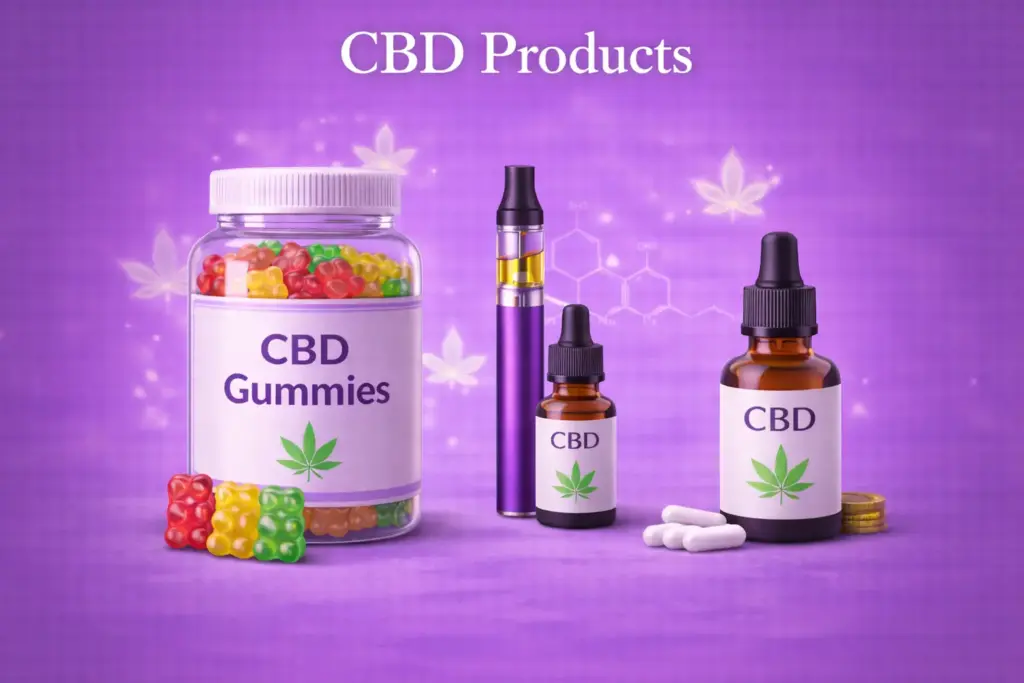
If you’ve walked down a UK high street recently or browsed wellness websites, you’ve likely noticed CBD products everywhere – on pharmacy shelves, in coffee shops, and all over social media.
But what exactly are these products, and do they live up to the hype?
This guide cuts through the marketing noise to give you a clear, balanced look at cannabidiol: what it is, how it works, what the science actually says, and how to choose quality products without wasting your money.
CBD (cannabidiol) is a naturally occurring compound extracted from hemp and cannabis plants.
Unlike THC (tetrahydrocannabinol), the chemical responsible for marijuana’s intoxicating effects, CBD does not produce a “high.”
Since around 2018-2019, CBD products have become widely available across the UK in formats including oils, gummies, capsules, creams, vapes, drinks, and even pet products.
Today, you can find CBD products sold at major retailers like Boots and Holland & Barrett, as well as through countless online shops.
The UK market is now estimated to be worth hundreds of millions of pounds annually, making it one of the largest CBD products markets in Europe.
Interest in CBD initially grew from early research suggesting potential benefits for anxiety, pain relief, sleep, and certain forms of epilepsy.
However, it’s important to understand that marketing claims have often moved faster than clinical science can verify.
Most over-the-counter CBD in the UK is classified as a food supplement rather than a licensed medicine, meaning sellers cannot legally make medical claims about their products.
Why are you seeing CBD everywhere?
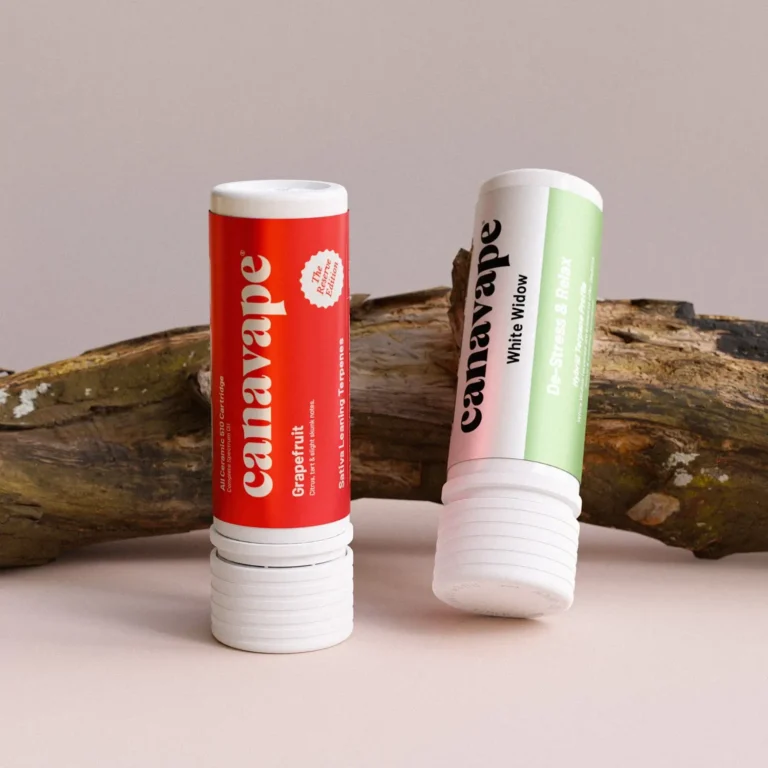
To understand why people use CBD products, you need to know about the endocannabinoid system (ECS).
This is a network of receptors – primarily CB1 and CB2 – and signalling molecules found throughout your body.
The ECS plays a role in regulating mood, pain perception, sleep, immune responses, and inflammation.
Here’s the key difference between CBD and THC: while THC directly activates CB1 receptors in the brain (producing intoxication), CBD does not bind strongly to these receptors.
Instead, CBD products appear to work indirectly by modulating multiple systems, including serotonin receptors involved in mood and certain pathways related to inflammation.
Hemp-derived CBD vs. marijuana-derived CBD:
| Factor | Hemp-Derived CBD | Marijuana-Derived CBD |
|---|---|---|
| THC content | ≤0.2% (UK/EU rules) | Can be much higher |
| Legal status (UK) | Legal as food supplement | Controlled substance |
| CBD molecule | Identical | Identical |
| Availability | Shops, pharmacies, online | Medical prescription only |
The CBD molecule itself is chemically identical regardless of source, what differs is the legal status and THC content of the final product.
What effects might CBD products produce?
CBD products come in multiple formats, each with different onset times, duration of effects, and practical use cases.
Whether you’re looking for daily wellness support or targeted relief, understanding these options helps you make an informed choice.
Understanding CBD spectrum types:
In the UK, legally compliant products must keep THC within strict limits and should be linked to a valid novel food applications submission to remain on the market.
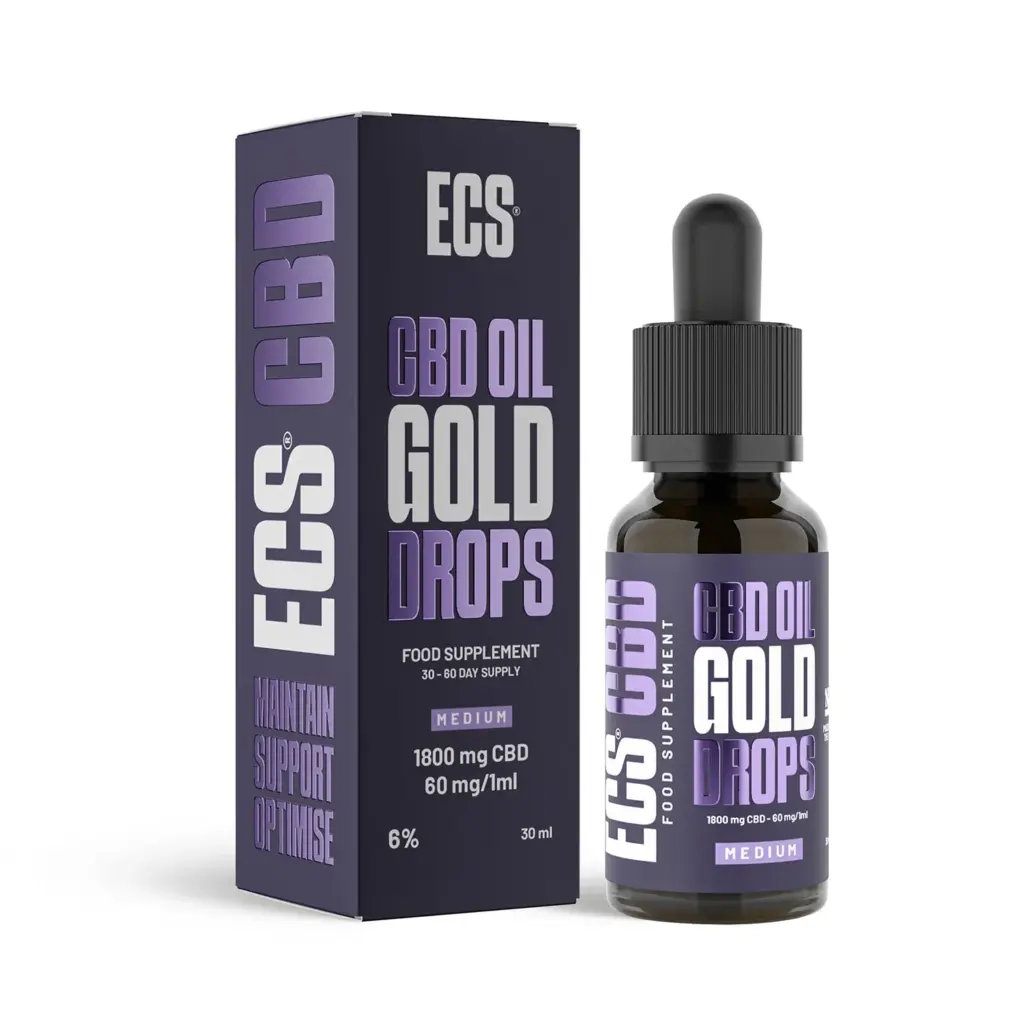
When it comes to CBD’s health benefits, the evidence varies significantly depending on the condition.
Some uses are backed by strong clinical research, while many wellness claims are still in early investigation stages.
The clearest evidence for CBD products come from its use in treating severe forms of epilepsy.
Epidyolex, a purified pharmaceutical-grade CBD medicine, has been licensed by the EMA and FDA for treating Lennox Gastaut syndrome and Dravet syndrome – rare, severe childhood epilepsies that don’t respond well to conventional treatments.
Key points about Epidyolex:
This represents the gold standard for what CBD can do when properly manufactured and dosed under medical supervision.
Research suggests CBD may help with:
Despite marketing claims you might encounter on the internet, there is currently no robust evidence that over-the-counter CBD products:
Any product making such claims should be treated with scepticism.
Why user experiences vary so much:
Scientists continue to research CBD’s potential, but the gap between anecdotal reports and clinical proof remains significant for most conditions.
CBD products are generally well tolerated in adults, but “natural” does not automatically mean risk-free. Understanding potential side effects and interactions is essential, especially if you take other medications.
Most side effects are dose-related and more likely at higher amounts (often above 50-70mg daily):
These effects are usually temporary and resolve when dosage is reduced.
CBD products are metabolised by liver enzymes, particularly the CYP450 family. This means it can interact with medications that use the same pathways:
| Medication Type | Interaction Risk | Action Required |
|---|---|---|
| Blood thinners (warfarin) | High | Consult doctor before use |
| Some anti-epileptics | Moderate to High | Medical supervision essential |
| Sedatives and sleep aids | Moderate | May increase drowsiness |
| Some antidepressants | Moderate | Discuss with prescriber |
If you take any prescription drugs, speak with a doctor or pharmacist before starting any CBD products. This is particularly important if you’re on blood thinners or other medications with narrow therapeutic windows.
UK law makes important distinctions between medical cannabis, controlled substances containing THC, and low-THC CBD products sold as food supplements. Understanding these differences helps you shop legally and safely (see also: is CBD vape legal in the UK?).
Hemp-derived CBD products with very low THC content can be legally sold in the UK, provided they:
The UK Food Standards Agency (FSA) maintains a public register of CBD products that have submitted Novel Food applications.
Only products on this list are permitted to remain on sale while their safety is assessed. Before you shop, checking this list can help you identify legitimate sellers.
Medical cannabis (which may contain significant THC) is a controlled substance in England and the rest of the UK.
It can only be prescribed by hospital specialists for limited conditions under strict criteria. This is completely separate from the CBD oil or CBD gummies you might buy at a pharmacy or online.
| Product Type | Legal Status | Where to Get It |
|---|---|---|
| OTC CBD (low THC) | Legal food supplement | Shops, pharmacies, online |
| Medical cannabis | Prescription only | Specialist doctors |
| Recreational marijuana | Illegal | Not legally available |
British cannabis laws continue to evolve, and the distinction between legal CBD products and controlled substances is something every consumer should understand.
Laws and guidance can change. NHS and GOV.UK pages are regularly reviewed – for example, medical cannabis guidance was last reviewed in May 2022 and is due for update.
Always check official sources for the latest legal positions before making assumptions about what you can legally purchase or possess.
Careful product selection matters more than you might think. Independent laboratory tests have repeatedly shown that some products contain less CBD than stated on the label, while others contain higher-than-legal THC levels.
Here’s how to find the best CBD oil and other products you can trust.
Reputable brands test every batch with independent laboratories and make Certificates of Analysis (COA) available to customers. These documents should show:
If a brand doesn’t provide COAs, consider that a red flag.
High quality CBD oil and other products should have clear labelling that includes:
Since CBD affects people differently, keeping a simple journal can help you discover your personal “sweet spot”:
This approach is far more useful than relying solely on marketing claims or generic dosage recommendations.
CBD products are supplements made from cannabidiol, a compound extracted from hemp. In the UK, they are sold in formats such as CBD oils, capsules, gummies, vapes, creams and drinks. They are classified as food supplements, not medicines.
Yes, CBD is legal in the UK provided it contains THC within strict legal limits and is linked to a valid Novel Food application. Products must not make medicinal claims unless licensed as medicines.
No. CBD does not produce the intoxicating effects associated with THC. Legally sold UK CBD products contain only trace amounts of THC within regulated limits.
Many users report feeling relaxed, calmer, or less tense. Some people notice improved sleep onset. Effects vary depending on the individual, dosage and product format.
Full-spectrum contains multiple cannabinoids and trace THC within legal limits.
Broad-spectrum contains multiple cannabinoids but no detectable THC.
CBD isolate is pure cannabidiol with no other cannabinoids.
Each format may feel slightly different depending on how compounds interact in the body.
CBD is generally well tolerated in adults. Mild side effects may include fatigue, dry mouth or digestive discomfort, especially at higher doses. If you take prescription medication, speak to a healthcare professional before use.
Yes. CBD is metabolised by liver enzymes that also process many common medications, including blood thinners and some antidepressants. Always consult your GP or pharmacist if you are on medication.
Look for:
Third-party lab testing (Certificate of Analysis)
Clear cannabinoid content per serving
THC within legal limits
Transparent ingredients and batch numbers
Novel Food compliance in the UK
Avoid products that make unrealistic health claims.
The best format depends on your preference:
Oils for flexible dosing
Capsules or gummies for convenience
Vapes for faster onset
Topicals for localised application
Different formats absorb at different speeds.
There is no single correct dose. Many people start low and increase gradually until they find a level that works for them. Tracking your dose and response over time can help you find your ideal amount.
The UK CBD market has matured significantly since its early days, but it remains a space where informed consumers fare best.
Whether you’re exploring CBD for wellness, sleep, or to address specific concerns, the principles are the same: do your research, choose quality over marketing hype, and consult a healthcare professional if you’re taking other medications or have underlying health conditions.
The community of CBD users continues to grow, and as science catches up with consumer interest, we’ll likely see clearer guidance on which products work best for which purposes.
Until then, treat claims with healthy scepticism, prioritise safety, and remember that no supplement replaces proper medical care when you need it.
Explore related Canavape categories: Canavape Complete CBD E-Liquid and CBD Vape Starter Kit.
