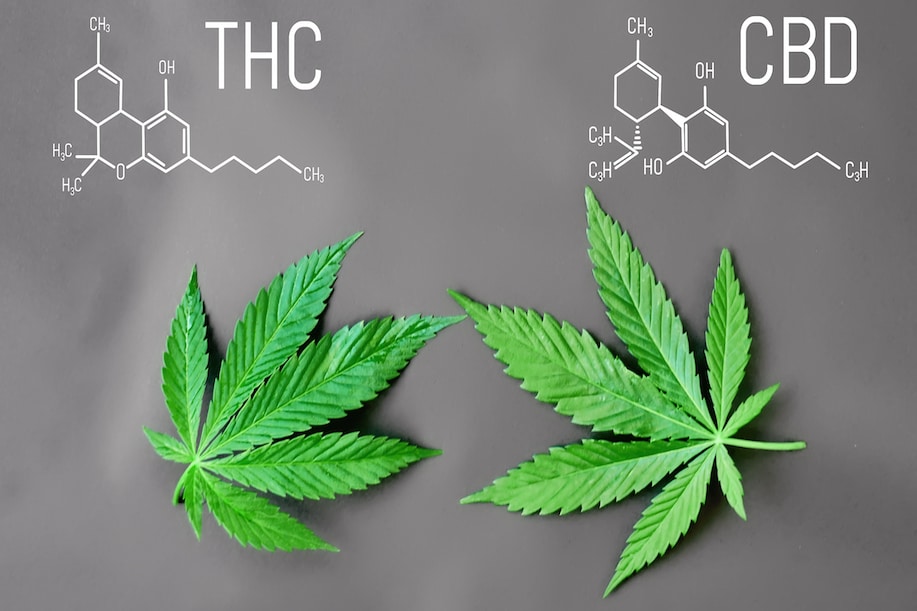
If you’re exploring CBD products in the UK, one of the most important distinctions to understand is the difference between CBD and THC.
These two cannabinoids come from the same plant, yet they behave very differently in the body, are regulated differently under UK law, and are used for entirely different purposes.
In this guide, we break down everything you need to know about CBD vs THC, including how they work, their effects, their legality, and how to choose the right option for your needs.
Whether you’re considering CBD oils, CBD vape products, or simply want to understand the science, this is your complete UK-focused overview.
CBD (cannabidiol) is a naturally occurring compound found in hemp, a variety of the Cannabis Sativa L plant.
Unlike THC, CBD is non-intoxicating, meaning it does not produce a “high.” Instead, it interacts with the body’s endocannabinoid system (ECS), which plays a role in regulating mood, sleep, stress response, and overall balance.
CBD products are widely available in the UK and include:
At Canavape, CBD formulations are carefully produced using high-purity cannabinoids and controlled processes to ensure consistency, compliance, and quality.
THC (tetrahydrocannabinol) is the primary psychoactive compound found in cannabis.
It interacts strongly with CB1 receptors in the brain, producing the “high” associated with cannabis use. In addition to psychoactive effects, THC has been studied for its role in pain management, appetite stimulation, and neurological conditions.
However, it’s important to understand the legal distinction:
This makes CBD the primary cannabinoid available for general consumer use in the UK wellness market.
To simplify the comparison, here’s how CBD and THC differ across key areas:
| Feature | CBD | THC |
|---|---|---|
| Psychoactive | No | Yes |
| Legal in the UK | Yes (with restrictions) | Prescription only |
| Common Use | Wellness & balance | Medical (specialist use) |
| Availability | Widely available | Highly restricted |
This distinction is critical when choosing products, particularly for new users entering the CBD space.
Both CBD and THC interact with the body’s endocannabinoid system (ECS), but in different ways.
This is why CBD is often described as supporting overall wellbeing, while THC is associated with more pronounced neurological effects.
If you want a deeper breakdown of cannabinoids and their mechanisms, see:
Cannabinoid 101: The Big Six
CBD has been widely researched and is commonly used in the UK for general wellness support.
Users report benefits such as:
CBD is also being studied in areas such as inflammation, neurological conditions, and mood regulation.
For practical guidance, see:
CBD Oil Dosage Guide
THC is primarily used in controlled medical environments under prescription.
It has been studied for:
However, due to its psychoactive nature and legal restrictions, it is not accessible in the same way as CBD products.
Vaping has become one of the most popular ways to consume CBD due to its fast onset and ease of use.
Unlike oils or capsules, vaping allows CBD to enter the bloodstream quickly via inhalation.
Popular options include:
For beginners, this guide is useful:
Beginner’s Guide to Vaping
It’s important to note that disposable vapes are now illegal in the UK.
Consumers should instead use:
This shift is part of wider environmental and regulatory changes within the UK vaping market.
For most UK consumers, the choice is straightforward due to legal restrictions.
CBD is the accessible option if you:
THC may only be relevant if:
Depending on your goals, you may prefer different formats:
Explore the full range here:
CBD Oils |
CBD Vape |
CBD E-Liquids
CBD and THC may come from the same plant, but their effects, legality, and applications are very different.
CBD offers a legal, accessible, and non-intoxicating way to explore cannabinoids in the UK, while THC remains tightly controlled and restricted to medical use.
Understanding this difference is essential—not just for compliance, but for choosing products that genuinely align with your goals.
If you’re exploring CBD for the first time or refining your routine, focus on quality, transparency, and trusted formulations.
Please note: This blog post reflects historical data predating recent changes in cannabinoid laws, medical cannabis regulations, and some of our best CBD product names, strengths, and formulations. These historical blogs remain as a reference post our website update, but they might contain outdated information. Discover our updated CBD and legal cannabinoid products for the best CBD experience.

Message us directly
I will be back soon

