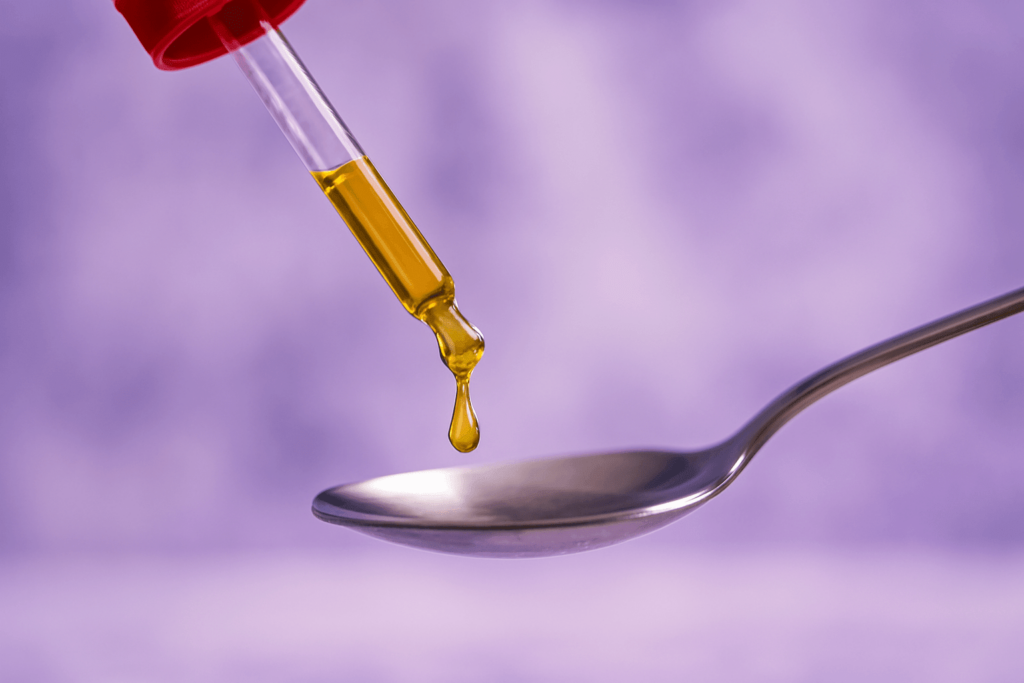
CBD oil has surged in popularity recently, becoming a staple for those seeking natural wellness options. Whether you’re a seasoned user or a curious beginner, understanding how to use CBD oil effectively is crucial.
This guide aims to demystify the process, offering practical advice on dosage, methods of consumption, and what to expect.
From tinctures to capsules, there’s a variety of ways to incorporate CBD into your daily routine.
Join us as we delve into the essentials of taking CBD oil, ensuring you make the most of this versatile supplement.
To fully appreciate CBD oil, it’s important to understand its core elements. This section covers what CBD oil is, how it functions in the body, and the various types of products available on the market.
With this knowledge, you can make informed decisions about which CBD products may suit your preferences and needs.
CBD oil is a product derived from cannabidiol, a compound found in cannabis plants. Unlike THC, CBD is non-psychoactive, which means it does not produce a “high”.
This makes it a popular choice for those seeking the therapeutic benefits of cannabis without the mind-altering effects.
CBD oil is typically extracted from hemp plants, which contain higher levels of CBD and lower levels of THC.
The oil is then diluted with a carrier oil, such as coconut or hemp seed oil, to make it more palatable and easier to consume.
In recent years, CBD oil has gained attention for its potential health benefits, which include pain relief, anxiety reduction, and improved sleep.
However, it’s crucial to purchase CBD products from reputable sources to ensure quality and safety.
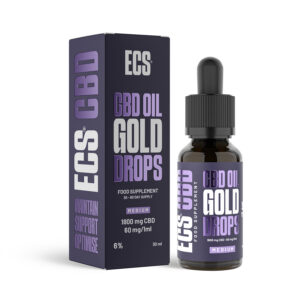
CBD interacts with the body’s endocannabinoid system (ECS), which plays a role in regulating various physiological processes such as mood, appetite, and sleep.
The ECS consists of endocannabinoids, receptors, and enzymes that work together to maintain balance within the body.
When CBD oil is consumed, it influences the ECS by interacting with its receptors. This interaction may help modulate pain perception, reduce inflammation, and alleviate anxiety.
Although research is ongoing, studies suggest that CBD may also enhance the effects of other naturally occurring compounds in the body.
This could explain why some people experience significant relief from symptoms when using CBD oil.
Understanding how CBD oil works can provide insight into its potential benefits and help set realistic expectations for its effects on your health.
There are three primary types of CBD products: full-spectrum, broad-spectrum, and CBD isolate aka pure CBD. Each type offers different levels of cannabinoids and other compounds such as terpenes.
| Type | Description |
|---|---|
| Full-Spectrum | Contains all cannabinoids, often including trace levels of THC, offering an “entourage effect”. |
| Broad-Spectrum | Includes multiple cannabinoids but no THC, still providing some synergy. |
| CBD Isolate (Pure CBD) | Pure CBD without other cannabinoids, ideal for those avoiding THC entirely. |
Understanding these differences can help you select the right product based on your needs and any legal considerations.
Full-spectrum products might be more effective for some due to the entourage effect, while isolates are suitable for those wishing to avoid THC entirely.
There are various methods to consume CBD oil, each offering unique benefits and experiences. This section explores popular methods, including sublingual application, capsules, and edibles.
Understanding these methods can help you choose the best approach for your lifestyle and preferences.
Taking CBD oil sublingually involves placing a few drops under your tongue. This method allows for quicker absorption into the bloodstream.
This method is preferred by many due to its rapid onset of effects, typically felt within 15 to 30 minutes. It’s also discreet and easy to incorporate into daily routines.
For those seeking faster relief, the sublingual method is an effective choice.
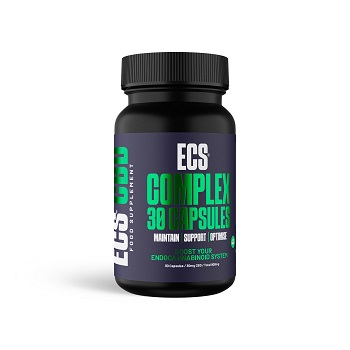
CBD capsules offer a convenient and tasteless alternative to oils. They provide a pre-measured dose, making it simple to track your intake.
Capsules can be taken like any other supplement, with water. This method is ideal for those who dislike the taste of CBD oil or prefer a straightforward approach.
The onset of effects may take longer, as the capsules must be digested first.
For those new to CBD, capsules can be a less intimidating introduction. They fit seamlessly into existing supplement routines and eliminate the need for dosing tools.
However, the effects may take longer to kick in compared to sublingual methods.
Edibles are a popular way to consume CBD oil, offering a tasty and fun alternative to traditional methods. They come in various forms, including gummies, chocolates, and baked goods.
Edibles are discreet and enjoyable, making them a favourite among those who prefer a treat-like experience.
However, it’s important to be mindful of dosing, as the effects can take up to two hours to manifest. Patience is key when using CBD edibles.
Determining the right dosage and frequency of CBD oil is crucial for achieving the desired effects.
This section covers how to identify the best dose for your needs, how often to take CBD, and how to adjust your dosage over time for optimal results.
Finding the ideal CBD dosage involves considering factors such as body weight, metabolism, and the condition being addressed.
Start with a low dose and gradually increase until you achieve the desired effects.
Each person’s response to CBD is unique, and what works for one may not work for another. Keeping a journal of your dosage and effects can be helpful in tailoring your CBD experience.
The frequency of CBD consumption depends on several factors, including its intended use and individual tolerance.
Some may benefit from daily use, while others may require less frequent but higher CBD dosing.
Regular use can help maintain steady levels of CBD in your system, enhancing its overall effectiveness. Experiment with timing and frequency to find what best supports your lifestyle and health goals.
As your body adjusts to CBD, you may need to alter your dosage. This is particularly true for those using CBD for long-term management of symptoms.
Adjusting your dosage ensures that you continue to experience the benefits of CBD at a level that remains effective and comfortable.
This flexibility allows you to tailor your CBD use to evolving health needs.
CBD oil offers a range of potential health benefits, making it a versatile addition to wellness routines.
This section explores its use for pain relief, anxiety management, and other health benefits, supported by current research and real-world examples.
CBD is renowned for its potential analgesic properties. Many users report relief from various types of pain, including chronic pain, arthritis, and migraines.
CBD’s interaction with the ECS can help reduce inflammation and modulate pain signals.
While more research is needed, existing studies and user experiences highlight CBD’s promise as a natural pain relief option.
It may serve as an alternative or complement to conventional pain management strategies.
CBD is gaining traction as a potential tool for managing anxiety. Its calming effects may be attributed to its interaction with serotonin receptors, which play a role in mood regulation.
For those seeking a natural remedy for anxiety, CBD offers a promising alternative. It can be used alongside other therapies or as a standalone option, depending on individual needs.
Beyond pain and anxiety, CBD may offer additional health benefits. These include support for sleep, neuroprotection, and skin health.
While research is ongoing, these potential benefits make CBD a compelling option for those seeking holistic health support.
Its versatility allows for use in various forms, catering to different health goals.
While CBD oil is generally well-tolerated, it’s important to be aware of potential side effects and risks.
This section addresses common side effects, interactions with other medications, and safety tips to ensure a positive experience with CBD.
CBD is typically well-received, but some users may experience side effects. These can include:
Most side effects are mild and temporary, disappearing as the body adjusts to CBD. By starting with a low dose and gradually increasing, you can minimise the likelihood of adverse reactions.
CBD has the potential to interact with certain medications, particularly those metabolised by the liver. This can affect the efficacy or side effects of these drugs.
Consult a healthcare professional if you are on medication before starting CBD. They can provide guidance on potential interactions and help determine if CBD is a suitable option for you.
To ensure safe and effective use of CBD, consider these precautions:
These steps can help you safely incorporate CBD into your wellness routine, maximising benefits while minimising risks. Always prioritise quality and transparency when selecting CBD products.
Understanding the distinction between these three product types helps you select the right option for your requirements and any legal considerations. Full-spectrum products contain all of the naturally occurring cannabinoids from the plant, which often includes trace levels of THC. This combination offers what is known as the “entourage effect”, where the compounds work together synergistically.
Broad-spectrum CBD includes multiple cannabinoids to still provide some synergy, but it contains no THC whatsoever. Finally, CBD isolate, which is also known as pure CBD, contains only CBD without any other cannabinoids. This is the ideal option for anyone wishing to avoid THC entirely.
Taking CBD oil sublingually, which means placing it under your tongue, is a very popular method because it allows for quicker absorption directly into the bloodstream. To do this, start by shaking the bottle well to make sure the cannabinoids are evenly distributed. Next, use the built-in dropper to measure out your desired dose.
Place the oil directly under your tongue and hold it there for 30 to 60 seconds before swallowing whatever is left over so you absorb any remaining compounds. This discreet method typically has a rapid onset of effects, which are usually felt within 15 to 30 minutes, making it an excellent choice for those seeking fast relief.
CBD capsules are a highly convenient and completely tasteless alternative to traditional liquid drops. They provide a precise, pre-measured dose in every capsule, which makes it incredibly simple to keep track of your daily intake. They can be swallowed easily with water just like any other daily dietary supplement.
This straightforward approach is ideal for anyone who dislikes the natural taste of hemp oil or wants to avoid using dosing tools. While they are a very user-friendly introduction for beginners, keep in mind that the onset of effects will take longer than sublingual methods. This is because the capsule must pass through your digestive system before being absorbed.
Finding the ideal dosage requires you to consider your individual body weight, metabolism, and the specific condition you are addressing. Because everyone’s response is unique, you should start with a low dose, typically between 5mg and 10mg per day. Monitor your physical response closely over a few days before making any changes.
If necessary, adjust the dose in small increments until you achieve your desired effects. Keeping a daily journal of your dosage and its effects can be very helpful for tailoring your routine. Over time, as your body adjusts, you can gradually increase or decrease the dose based on your evolving health needs. If you are ever unsure, consult a healthcare professional.
Yes, while CBD oil is generally well-tolerated, some users may experience mild and temporary side effects. These can include drowsiness, dry mouth (which can be alleviated by drinking water) and occasional nausea. You can minimise the likelihood of these adverse reactions by starting with a low dose and increasing it very slowly.
Additionally, CBD has the potential to interact with certain medications, particularly those that are metabolised by the liver, such as blood thinners and antidepressants. This interaction can alter the efficacy or side effects of your prescription. Because of this, it is highly recommended to consult a healthcare professional before starting CBD if you are taking any medication.

Message us directly
I will be back soon

