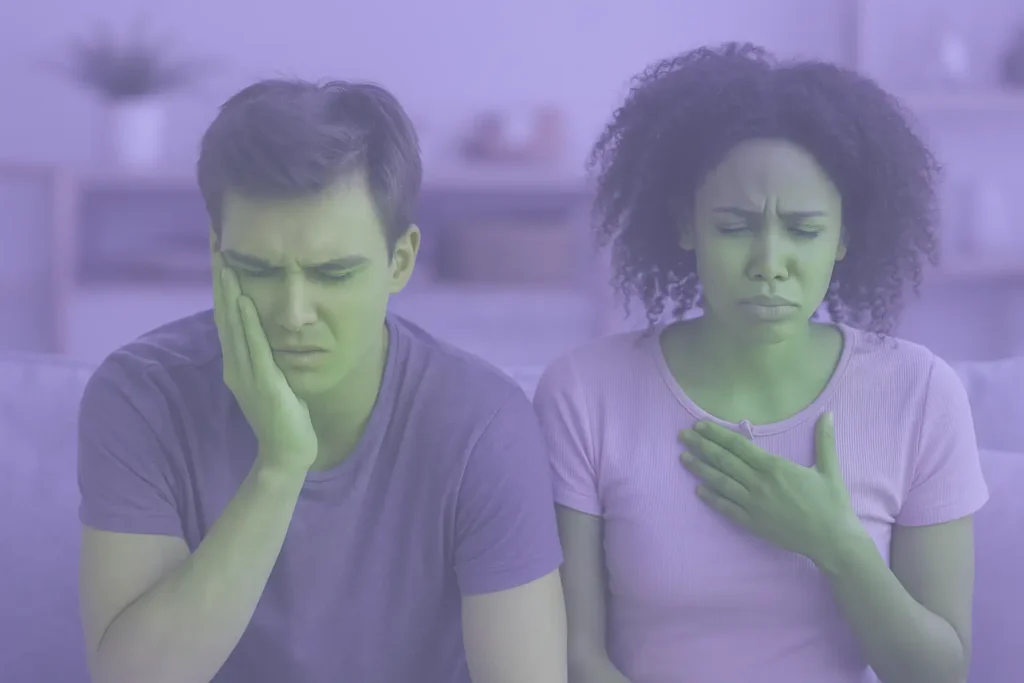
The conversation around cannabis is evolving, and with it comes the need for a better understanding of its effects on the body and mind.
For those who consume it regularly, being aware of the potential side effects from weed is crucial for making informed decisions.
While many people use cannabis for its relaxing and therapeutic benefits, it’s important to acknowledge that it can also have less desirable impacts.
This guide aims to provide practical insights into these side effects, shedding light on what you might experience and how to manage or mitigate them.
Whether you’re a seasoned user or new to cannabis, understanding these effects can enhance your overall experience and well-being.
Cannabis, commonly referred to as marijuana, is a psychoactive drug derived from the cannabis plant.
The cannabis plant contains a complex mix of over 100 cannabinoids, with THC (tetrahydrocannabinol) being the main compound responsible for its mind-altering effects.
People use cannabis for a variety of reasons, including medical relief and recreational enjoyment.
However, research suggests that cannabis use can have a range of health effects, both positive and negative.
While some users experience relaxation and pain relief, others may face challenges such as impaired memory, altered judgment, and even the risk of addiction.
The potential for drug abuse is an important consideration, especially as the legal status of cannabis continues to evolve in different regions.
Understanding the basics of the cannabis plant and its effects is essential for anyone considering its use, whether for health or leisure.
Cannabis use can lead to a range of side effects, impacting both the body and mind.
While many people enjoy cannabis for its benefits, understanding the common side effects is essential for a balanced view.
Physical Reactions to Weed:
Physical reactions to cannabis can vary significantly between users.
Common symptoms include dry mouth, red eyes, and increased heart rate.
Understanding these reactions can help users manage their cannabis experience more effectively.
Marijuana’s effects on mental and emotional states can be profound.
Users might experience euphoria, enhanced creativity, or relaxation. However, some may encounter anxiety or paranoia.
Cannabis use can affect daily activities, particularly those requiring focus and coordination.
Being aware of these impacts can help users plan their consumption responsibly.
While many effects of cannabis are temporary, long-term use can lead to more persistent challenges.
Heavy cannabis use, particularly over extended periods, is associated with increased risks of cognitive, physical, and mental health problems.
Awareness of these issues is key to making informed choices about consumption.
Long-term cannabis use may impact cognitive function and memory.
Studies suggest that regular use can affect short-term memory and learning abilities, especially in younger users.
Smoking cannabis can have implications for respiratory health.
Chronic use may lead to respiratory issues similar to those experienced by tobacco smokers.
Both cannabis smoke and marijuana smoke contain carcinogens and toxicants, much like tobacco smoke.
While the link between cannabis smoke and lung cancer is still being studied, some research suggests there may be a potential risk.
Regular exposure to marijuana smoke can also increase susceptibility to respiratory infections, similar to the effects seen with smoking tobacco.
While many people use cannabis without significant issues, some may develop a pattern of use that leads to cannabis use disorder.
This condition is recognized by the American Psychiatric Association and involves a problematic pattern of cannabis use that leads to significant distress or impairment.
Signs of cannabis use disorder can include cravings, unsuccessful attempts to cut down, spending a lot of time using cannabis, and continuing use despite social or relationship problems.
Withdrawal symptoms such as irritability, sleep difficulties, and decreased appetite may occur when stopping cannabis after a prolonged period of heavy use.
Certain risk factors, such as starting at a young age, frequent use, and a family history of substance use disorders, can increase the likelihood of developing this condition.
If you or someone you know is struggling with cannabis use, treatment options like motivational enhancement therapy and support from mental health professionals can help create a personalized treatment plan and improve overall well-being.
Although most side effects from cannabis are mild and temporary, some users may experience a rare but serious condition known as cannabinoid hyperemesis syndrome (CHS).
CHS is characterized by repeated episodes of severe nausea and vomiting, often accompanied by abdominal pain.
This syndrome typically affects individuals who have used heavy cannabis for a prolonged period.
Unlike the typical use of cannabis to treat nausea, CHS paradoxically causes persistent vomiting that does not respond to standard anti-nausea treatments.
The only effective way to resolve symptoms is to stop using cannabis entirely.
If you experience ongoing nausea and vomiting that cannot be explained by other factors, it’s important to seek medical attention, as CHS can lead to dehydration and other health complications.
Awareness of this rare side effect can help users make informed decisions about their cannabis use and recognize when to seek help.
For users experiencing side effects like CHS or seeking non-intoxicating cannabinoid options, Canavape offers legal, lab-tested alternatives that deliver the potential benefits of cannabis, without the risks associated with THC overuse.
Cannabis can interact with other drugs and substances, sometimes leading to unexpected or adverse outcomes.
Combining alcohol with cannabis, for example, can intensify impairment and increase the risk of accidents or negative effects on mental health.
Mixing cannabis with other psychoactive drugs or prescription medications may also raise the risk of side effects, such as increased heart rate, changes in blood pressure, or heightened anxiety.
Some interactions can even affect how long cannabis stays in your system, potentially impacting drug tests.
If you use medical marijuana or other substances, it’s important to talk to your healthcare provider about possible interactions and how to stay safe.
Being mindful of how cannabis may interact with other drugs can help reduce the risk of substance use disorder and protect your physical and mental health.
Understanding how to manage the side effects of cannabis can improve users’ experiences and well-being. Practical strategies can help mitigate negative impacts.
Everyday users can adopt several strategies to manage cannabis side effects effectively. These practical tips can enhance the benefits while minimising the downsides.
In some cases, side effects may necessitate professional intervention. Understanding when to seek help is crucial for maintaining overall health.
Cannabis affects individuals differently, making it important to understand the factors that influence these variations.
Recognising these differences can tailor the cannabis experience more effectively.
The way cannabis affect individuals can vary widely, influencing both physical and mental health outcomes.
Individual reactions to cannabis vary due to factors like genetics, tolerance, and mental health. Recognising these differences can improve user experiences.
The method of consumption plays a significant role in the effects experienced. Different methods can offer varied benefits and drawbacks.
| Method | Onset Time | Duration | Common Effects |
|---|---|---|---|
| Smoking | Minutes | 1-3 hours | Quick onset, strong effect |
| Edibles | 30-90 min | 4-6 hours | Gradual onset, prolonged effect |
| Vaping | Minutes | 1-3 hours | Quick onset, cleaner than smoking |
Note: When you smoke cannabis, you are exposed to combustion byproducts, which can have different health effects compared to edibles or vaping.
There are many myths surrounding cannabis, often leading to misunderstandings.
Clarifying these misconceptions is essential for accurate knowledge, particularly with excessive use.
Using more marijuana, especially in high doses, can heighten the risk of adverse side effects such as paranoia, anxiety, and psychosis.
Cannabis is often perceived as entirely safe, but this is a simplification. Understanding potential risks is vital for responsible use.
Cannabis use can affect cardiovascular health and may increase the risk of heart disease, particularly for individuals with existing heart conditions.
“Cannabis is natural and therefore harmless” is a common misconception. While natural, cannabis can have adverse effects, particularly with excessive use.
Assumptions about cannabis can perpetuate myths. Dispelling these can lead to more informed choices and better user experiences.
Understanding the side effects and potential risks of cannabis is essential for making informed choices about its use.
While the cannabis sativa plant offers a range of effects, from relaxation to pain relief, it can also lead to challenges such as cannabis use disorder, cannabinoid hyperemesis syndrome, and interactions with other drugs.
Research suggests that being aware of your own risk factors, consumption habits, and mental health can help you enjoy the benefits of cannabis while minimizing negative effects.
If you experience persistent side effects, social or relationship problems, or concerns about your health, don’t hesitate to seek professional support.
By staying informed and responsible, you can make the most of your cannabis experience while safeguarding your well-being.
If you’re seeking the wellness benefits of cannabinoids without the high, explore Canavape’s non-intoxicating product range:
Cannabis use can lead to several common physical and mental side effects. Physically, users often experience dry mouth (commonly called “cottonmouth”), red eyes caused by the dilation of blood vessels, an increased heart rate, dizziness, and fatigue. It is also well-known for causing “the munchies”, which is an increased appetite triggered by the activation of specific brain pathways, such as POMC neurons.
Mentally, while many people experience positive effects like euphoria, relaxation, or enhanced creativity, others may suffer from less desirable outcomes. These negative emotional states include anxiety and paranoia, which are particularly common with higher doses or certain strains of weed. Additionally, cannabis use can worsen symptoms for those with pre-existing mental health conditions or increase the risk of developing one.
Smoking cannabis regularly can have significant long-term implications for your respiratory system, very similar to the effects seen in tobacco smokers. Chronic users frequently experience persistent coughing and increased phlegm production. Because cannabis smoke contains carcinogens and toxicants similar to tobacco smoke, there is a potential risk of lung cancer, though research into this specific link is still ongoing.
Furthermore, regular exposure to marijuana smoke can damage your respiratory defences, making you more susceptible to respiratory infections. To reduce these specific physical health risks to your lungs, you might consider alternative consumption methods that do not involve inhalation of smoke, such as utilizing vaporisers or consuming edibles instead.
Cannabinoid Hyperemesis Syndrome, or CHS, is a rare but serious condition that typically affects individuals who have been heavy cannabis users over a prolonged period. Paradoxically, while cannabis is frequently used to treat nausea, CHS causes the exact opposite reaction, resulting in repeated episodes of severe, persistent nausea and vomiting, which are often accompanied by intense abdominal pain.
Standard anti-nausea treatments are generally ineffective at resolving the symptoms of CHS. The only successful way to stop the vomiting and abdominal pain is to discontinue cannabis use entirely. It is vital to seek medical attention if you experience these symptoms, as continuous vomiting can quickly lead to dehydration and other severe health complications.
Cannabis use disorder is a recognized psychological condition characterized by a problematic pattern of use that leads to significant distress or impairment in your daily life. You may be developing this disorder if you experience strong cravings for weed, make unsuccessful attempts to cut down or stop, or spend a substantial amount of your time obtaining and using the substance.
Other signs include continuing to use cannabis despite experiencing social, work, or relationship problems. Furthermore, if you experience withdrawal symptoms when trying to stop after prolonged heavy use, such as irritability, sleep difficulties, and a decreased appetite, this is a strong indicator of dependency. Risk factors like starting at a young age or having a family history of substance abuse increase the likelihood of developing this disorder.
Yes, there are several legal, laboratory-tested alternatives available that allow you to experience the potential therapeutic benefits of cannabinoids without the intoxicating effects and risks linked to THC overuse. These options are particularly suitable for individuals who are prone to unwanted side effects or suffer from conditions like Cannabinoid Hyperemesis Syndrome.
You can choose from a variety of legal CBD products depending on your preferences. Daily CBD oils are available to support focus, mood, and recovery. If you prefer vaping, options include terpene-infused CBD e-liquids and fast-acting, high-potency CBD vape cartridges made with broad or full-spectrum extracts. Additionally, high-strength CBD and CBG additives are available to customise your existing routine.
Cannabis use can lead to several common physical and mental side effects. Physically, users often experience dry mouth (commonly called “cottonmouth”), red eyes caused by the dilation of blood vessels, an increased heart rate, dizziness, and fatigue. It is also well-known for causing “the munchies”, which is an increased appetite triggered by the activation of specific brain pathways, such as POMC neurons.
Mentally, while many people experience positive effects like euphoria, relaxation, or enhanced creativity, others may suffer from less desirable outcomes. These negative emotional states include anxiety and paranoia, which are particularly common with higher doses or certain strains of weed. Additionally, cannabis use can worsen symptoms for those with pre-existing mental health conditions or increase the risk of developing one.
Smoking cannabis regularly can have significant long-term implications for your respiratory system, very similar to the effects seen in tobacco smokers. Chronic users frequently experience persistent coughing and increased phlegm production. Because cannabis smoke contains carcinogens and toxicants similar to tobacco smoke, there is a potential risk of lung cancer, though research into this specific link is still ongoing.
Furthermore, regular exposure to marijuana smoke can damage your respiratory defences, making you more susceptible to respiratory infections. To reduce these specific physical health risks to your lungs, you might consider alternative consumption methods that do not involve inhalation of smoke, such as utilizing vaporisers or consuming edibles instead.
Cannabinoid Hyperemesis Syndrome, or CHS, is a rare but serious condition that typically affects individuals who have been heavy cannabis users over a prolonged period. Paradoxically, while cannabis is frequently used to treat nausea, CHS causes the exact opposite reaction, resulting in repeated episodes of severe, persistent nausea and vomiting, which are often accompanied by intense abdominal pain.
Standard anti-nausea treatments are generally ineffective at resolving the symptoms of CHS. The only successful way to stop the vomiting and abdominal pain is to discontinue cannabis use entirely. It is vital to seek medical attention if you experience these symptoms, as continuous vomiting can quickly lead to dehydration and other severe health complications.
Cannabis use disorder is a recognized psychological condition characterized by a problematic pattern of use that leads to significant distress or impairment in your daily life. You may be developing this disorder if you experience strong cravings for weed, make unsuccessful attempts to cut down or stop, or spend a substantial amount of your time obtaining and using the substance.
Other signs include continuing to use cannabis despite experiencing social, work, or relationship problems. Furthermore, if you experience withdrawal symptoms when trying to stop after prolonged heavy use, such as irritability, sleep difficulties, and a decreased appetite, this is a strong indicator of dependency. Risk factors like starting at a young age or having a family history of substance abuse increase the likelihood of developing this disorder.
Yes, there are several legal, laboratory-tested alternatives available that allow you to experience the potential therapeutic benefits of cannabinoids without the intoxicating effects and risks linked to THC overuse. These options are particularly suitable for individuals who are prone to unwanted side effects or suffer from conditions like Cannabinoid Hyperemesis Syndrome.
You can choose from a variety of legal CBD products depending on your preferences. Daily CBD oils are available to support focus, mood, and recovery. If you prefer vaping, options include terpene-infused CBD e-liquids and fast-acting, high-potency CBD vape cartridges made with broad or full-spectrum extracts. Additionally, high-strength CBD and CBG additives are available to customise your existing routine.

Message us directly
I will be back soon

