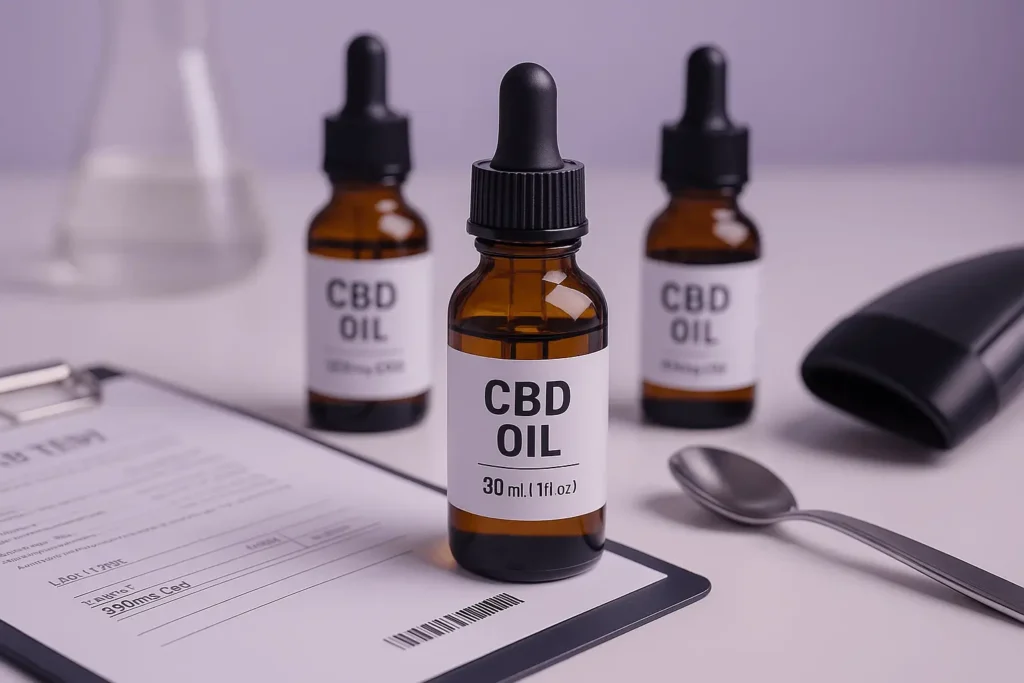
Navigating the world of CBD can be challenging, especially when it comes to understanding product labels, regulations, and what actually matters when choosing a high-quality product.
For anyone exploring products like ECS CBD Gold Drops oils or ECS Complex CBD Capsules, knowing how to read a label properly is one of the most important first steps.
Whether you’re considering daily-use CBD oils, capsules, or CBD vape cartridges, understanding what’s on the label helps you make informed, confident decisions.
Knowing what to look for — such as batch testing, cannabinoid content, and traceability — is essential. In this guide, we break down the essentials of CBD labelling so you can choose quality products with clarity.
From CBD oils to CBD capsules, these details matter more than most people realise.
CBD labelling in the UK continues to evolve as the industry matures and regulations become more defined.
Understanding product labels is crucial — not just for dosage, but for safety, compliance, and overall product quality.
This applies across all product types, including full-spectrum oils, capsules, and vape products.
CBD labels often contain technical language. Understanding a few key terms can make a big difference:
Terpenes are commonly found in products such as terpene vape e-liquids, where they influence both flavour and overall experience.
Batch numbers are also essential. These identify specific production runs and allow full traceability — a key marker of a professionally manufactured CBD product.
To better understand how cannabinoids work alongside these elements, see:
Clear labelling builds trust. It ensures consumers know exactly what they are using, including:
Products with unclear or incomplete labels can be difficult to assess and may not meet expected standards.
For those new to CBD, understanding labels also helps avoid confusion between product types and ensures expectations match the actual experience.
Looking for information on CBD and driving? Check out this article here.
Some CBD products on the market still suffer from poor labelling practices. Common issues include:
CBD products should never claim to treat or cure medical conditions. Any such claims should be treated with caution.
Batch testing is one of the most important indicators of CBD product quality.
This process involves testing each production batch to confirm:
Third-party lab testing adds another layer of credibility. According to research on CBD product quality, independent verification significantly improves consumer confidence.
Without proper testing, product quality can vary — affecting both safety and effectiveness.
CBD products in the UK fall under novel food regulations, meaning they must meet strict safety and compliance requirements before being sold.
This ensures products are assessed for consumer safety and manufactured to consistent standards.
For consumers, this classification provides reassurance that products have undergone appropriate review processes.
Compliance is central to trust in the CBD industry.
Products that follow UK guidelines demonstrate:
This is particularly important for products used daily, such as CBD oils and capsules.
For those exploring vaping as an option, understanding product formulation is equally important:
CBD Vaping, Flavours & Terpenes Guide
As the CBD industry continues to develop, labelling standards are expected to become even more refined.
This will likely include:
For consumers, staying informed is key. Understanding how to read a label ensures you are always choosing products that meet both your expectations and current UK standards.
—
| Guide | What You’ll Learn |
|---|---|
| CBD Vaping, Flavours & Terpenes | Understand the difference between terpene blends and flavoured CBD vape liquids |
| CBD Oil Dosage Guide | Learn how to find the right CBD dosage for your needs |
| Are Non-Nicotine Vapes Safe? | Explore safety considerations when vaping without nicotine |
Browse all articles here:
Canavape Blog

Message us directly
I will be back soon

