
If you are looking for the best terpenes for diffusers and home fragrance, fruit profiles are an excellent place to start.
Terpenes are the volatile aromatic compounds responsible for many of the recognisable scents found throughout fruits, flowers, herbs, trees and spices.
That makes them extremely interesting ingredients for modern home fragrance.
A terpene profile can move beyond the familiar lavender, vanilla and generic citrus scents traditionally associated with room fragrance and instead introduce fresh watermelon, tart tropical fruit, juicy pineapple, citrus peel, herbs, flowers, woods and more complex botanical character.
For reed diffusers, room fragrance and other appropriately developed aroma products, terpene profiles provide another way to build distinctive fragrance concepts.
The important distinction is that concentrated terpenes are formulation ingredients.
They are not automatically finished diffuser oil, and there is no single universal dilution ratio suitable for every diffuser, fragrance base or aroma system.
For our first three recommendations, we have deliberately chosen profiles with very clear scent identities: Watermelon, Tropical Starfruit and Pineapple.
Each offers a different direction while remaining immediately understandable to consumers.
Watermelon is soft, juicy and fresh. Tropical Starfruit is brighter, more unusual and exotic. Pineapple is bold, sweet, tangy and unmistakably tropical.
This guide compares all three, explains which profile we would choose for different home-fragrance concepts and looks at how terpene profiles can be used within reed diffusers and wider aroma formulation.
Our three top terpene profiles for diffusers and home fragrance are Watermelon for a fresh, juicy and easy-going fruit aroma, Tropical Starfruit for a more unusual sweet-tart exotic fragrance, and Pineapple for a bold tropical scent with strong instant recognition. Watermelon is our most versatile fresh profile, Tropical Starfruit is our premium unusual choice, and Pineapple is our recommendation when you want maximum tropical character.
Three fruit-led terpene profiles with distinctly different home-fragrance personalities.
| Terpene Profile | Aroma Direction | Best For | Our Pick |
|---|---|---|---|
| Watermelon | Juicy, fresh, sweet and light fruit | Fresh room fragrance, modern diffusers, summer collections | Best fresh all-rounder |
| Tropical Starfruit | Exotic, tart-sweet, bright tropical fruit | Premium fragrance concepts, unusual diffusers, contemporary aroma | Best unusual profile |
| Pineapple | Sweet, tangy, vibrant tropical fruit | Bold diffusers, tropical collections, fruit-led room fragrance | Best tropical profile |
Watermelon is our first recommendation for anyone looking for a clean, fresh and immediately recognisable fruit profile.
Its main strength is simplicity of concept.
Consumers already understand how watermelon should smell: juicy, lightly sweet, refreshing and distinctly fruity.
That makes it an excellent starting point for reed diffusers and broader home-fragrance development.
The profile is softer than a very sharp citrus fragrance and less heavy than some rich berry or gourmand aromas.
This gives Watermelon particular versatility in rooms where the objective is fragrance without making the atmosphere feel excessively perfumed.
We would choose Watermelon for:
Watermelon terpene profiles are designed around the familiar aroma of ripe watermelon.
The overall impression is juicy and sweet without necessarily becoming as heavy as a dark berry fragrance.
This gives Watermelon a clean fruit identity that works particularly well where a room fragrance needs to feel bright and approachable.
Rather than trying to communicate a complicated botanical story, Watermelon does something commercially useful: people know immediately what to expect.
Home fragrance has to function differently from perfume worn directly on the body.
A room scent occupies a much larger space and may be present for hours at a time.
A fragrance that feels impressive for thirty seconds from a bottle can become overwhelming if it dominates an entire room.
Watermelon provides a useful middle ground.
It offers a distinctive fragrance direction without relying on very heavy woods, incense, musk-style accords or intense floral character.
This makes it particularly suitable for brands looking to develop a youthful, bright or contemporary fragrance collection.
Watermelon can form the central theme of a fragrance or become part of a wider fruit accord.
Complementary directions can include:
The objective does not need to be creating a fragrance that smells solely of watermelon.
The profile can instead provide freshness and fruit character inside a more complex home-fragrance composition.
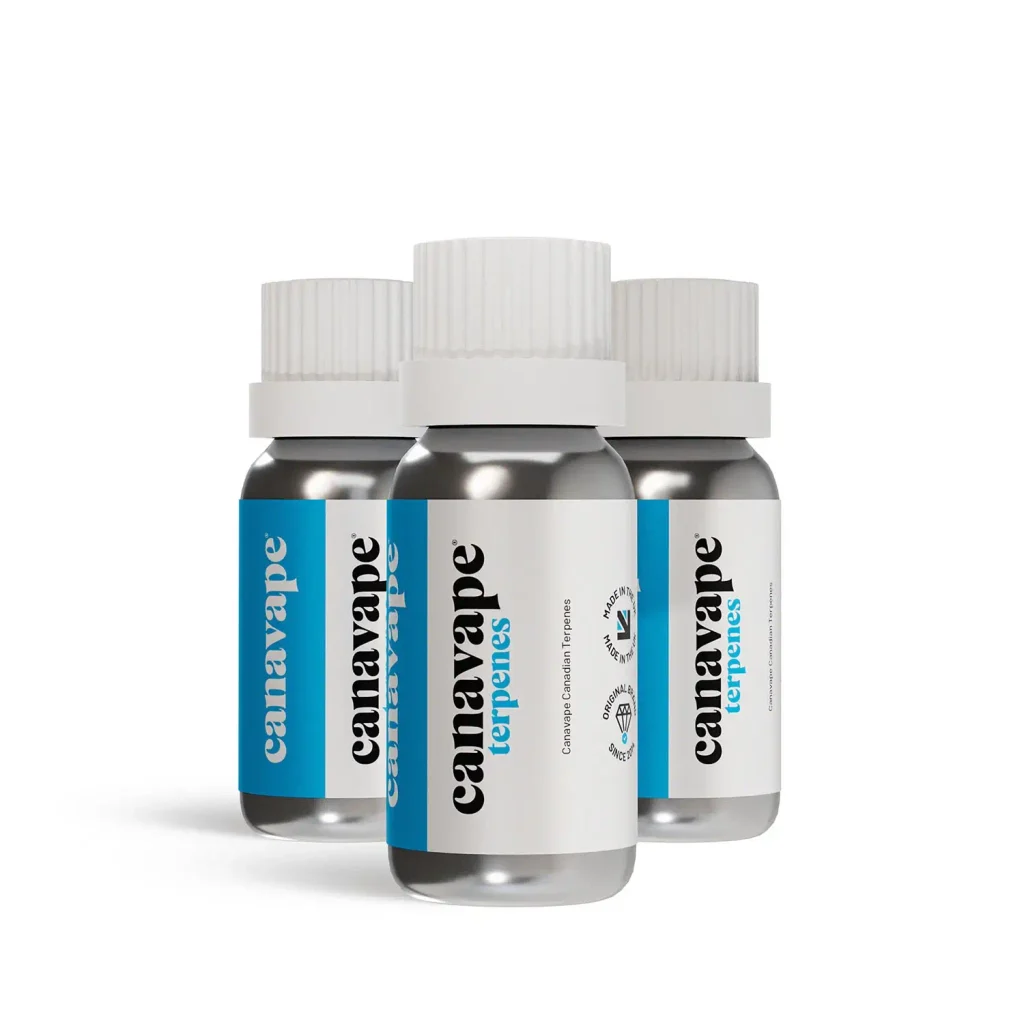
Tropical Starfruit is our recommendation when you want the fragrance itself to become a talking point.
Watermelon and pineapple are immediately familiar.
Starfruit is different.
It suggests an exotic tropical aroma with sweet fruit balanced by brighter, tangier character.
This makes Tropical Starfruit particularly appealing for premium diffuser collections where the objective is to offer something consumers are less likely to have already encountered.
We would choose Tropical Starfruit for:
Shop Tropical Starfruit Terpenes
Starfruit, also known as carambola, belongs to a different sensory space from common berry or citrus fragrances.
Its appeal comes from an exotic sweet-tart character that can suggest tropical fruit while retaining a brighter, fresher edge.
That makes a Tropical Starfruit profile particularly useful when pineapple feels too familiar and heavier tropical fruit concepts feel too sweet.
For fragrance branding, the name itself also has value.
“Tropical Starfruit” sounds distinctive before the bottle is even opened.
One of the challenges within home fragrance is differentiation.
Consumers can already buy countless products built around:
There is nothing wrong with those fragrance families, but competing entirely within them means competing against enormous established ranges.
A profile such as Tropical Starfruit gives a fragrance brand a more distinctive proposition.
That can be particularly useful for independent makers who want product names and scent concepts capable of standing apart immediately.
Potential supporting directions include:
A starfruit-led profile can therefore sit at the centre of a tropical fragrance or act as the brighter part of a more layered fruit composition.
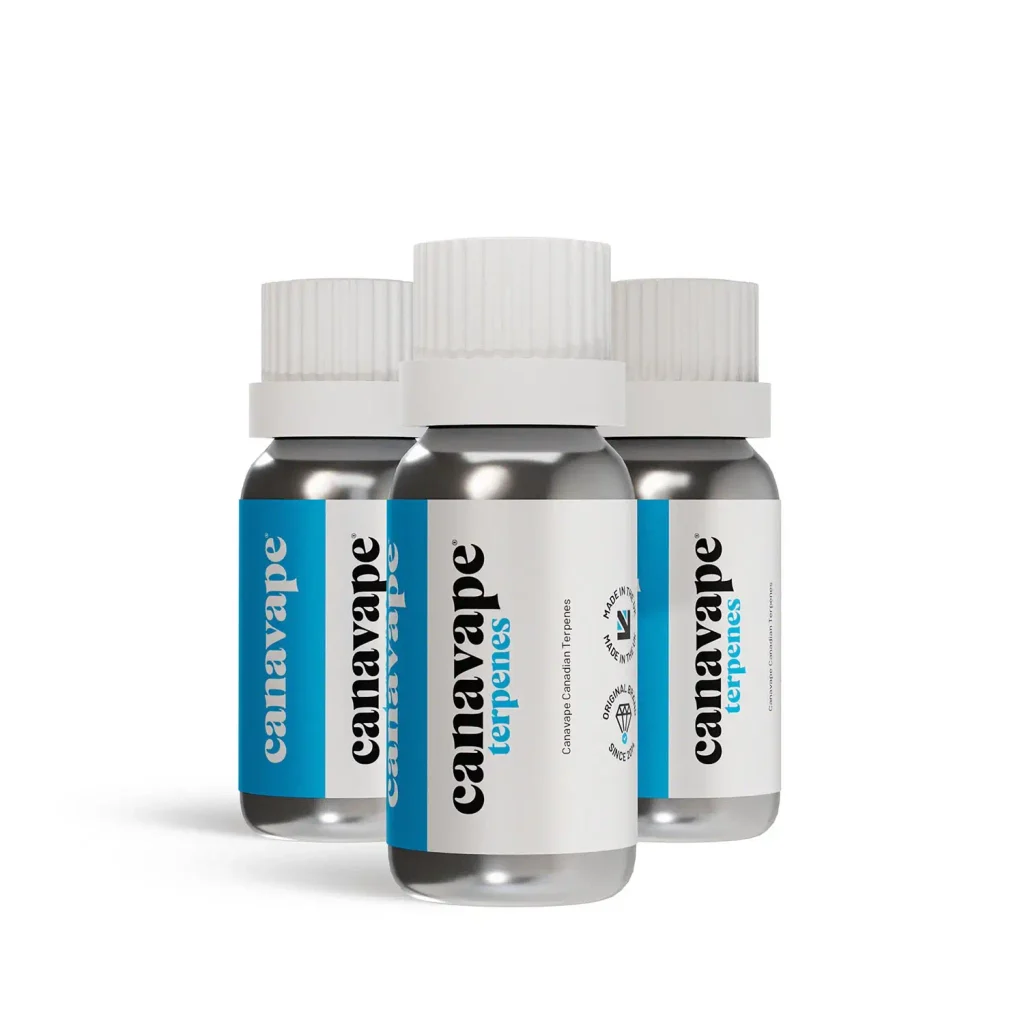
If you want maximum tropical recognition, Pineapple is our choice.
Pineapple combines sweetness with a sharper tangy edge, which helps distinguish it from softer fruit aromas.
It creates an immediate fragrance identity.
You do not need a long explanation on the label.
The word Pineapple already communicates bright yellow fruit, tropical character, sweetness and freshness.
That simplicity is extremely valuable commercially.
We would choose Pineapple for:
Pineapple terpene profiles are built around the aroma of ripe tropical pineapple.
The fragrance direction combines sweetness with brighter tangy and lightly citrus-like character.
This combination helps Pineapple feel vibrant rather than simply sugary.
For home fragrance, that creates a useful profile with enough intensity to stand on its own while also working naturally alongside other tropical fruits.
Pineapple benefits from instant recognition.
This matters when selling fragrance online because customers cannot smell the product through a screen.
A familiar scent name reduces the amount of imagination required.
A customer understands Pineapple.
That makes the profile particularly useful for:
The aroma can still be sophisticated, but the basic proposition remains easy to understand.
Pineapple can work well with aromatic directions including:
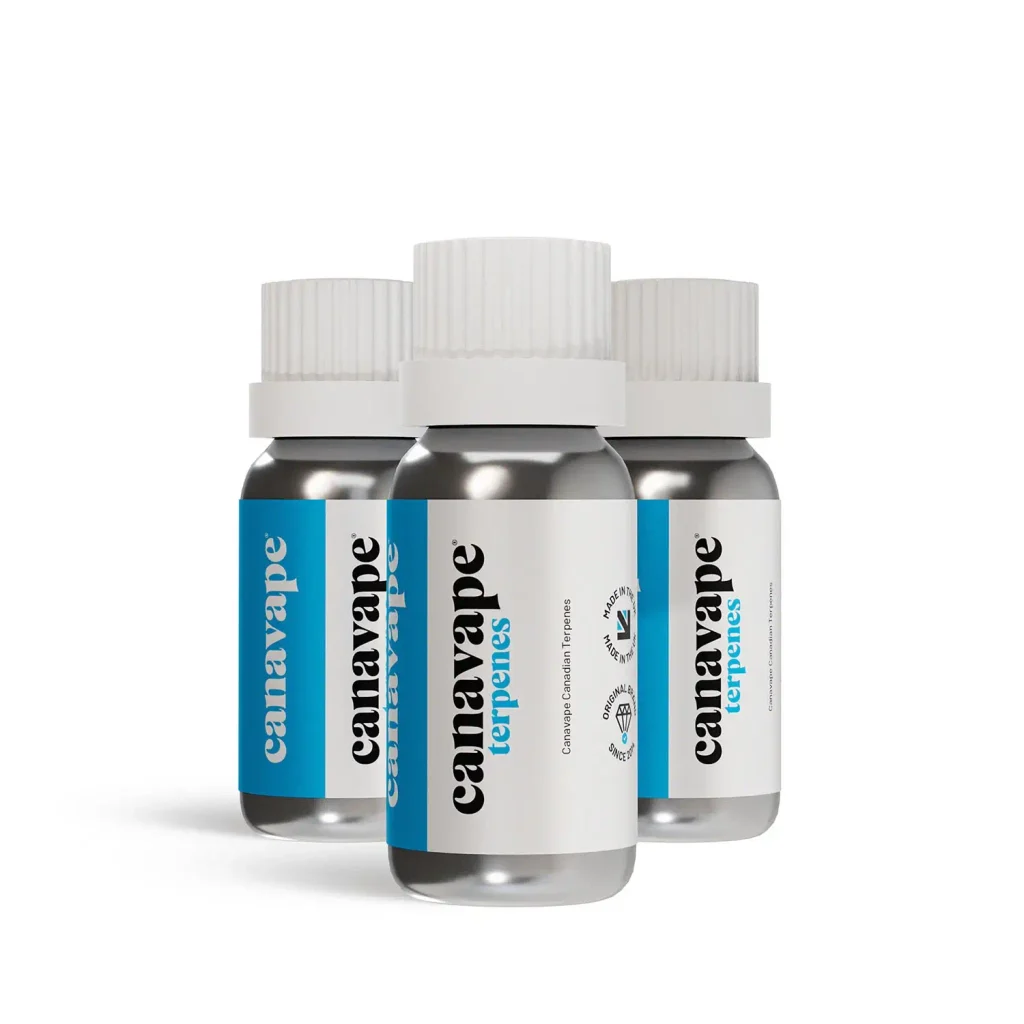
| If You Want… | Choose | Why |
|---|---|---|
| Fresh and juicy fruit | Watermelon | Light, recognisable and easy to build around |
| Something unusual | Tropical Starfruit | More distinctive than conventional fruit fragrance |
| Bold tropical aroma | Pineapple | Strong immediate scent identity |
| A modern summer fragrance | Watermelon | Fresh fruit character without a heavy fragrance direction |
| A premium exotic collection | Tropical Starfruit | Distinctive naming and an unusual sweet-tart profile |
| An easy commercial concept | Pineapple | Consumers understand the aroma instantly |
| Your first home-fragrance experiment | Watermelon | Our most versatile fresh starting point |
Terpenes provide fragrance developers with a huge vocabulary of plant-derived aromatic character.
They occur naturally across:
This creates enormous scope for fragrance development.
A terpene profile can be built around one recognisable fruit or designed to recreate a much more complex botanical aroma.
The growing Terpenes UK market is not limited to cannabis applications.
Terpene chemistry is equally relevant to fragrance, cosmetics, food aroma, home fragrance and laboratory formulation.
For UK home-fragrance makers, terpene profiles offer an opportunity to develop scent concepts outside the standard fragrance-oil catalogue.
Fruit terpenes are particularly accessible because their scent identities are so easy to communicate.
Watermelon, Pineapple and Tropical Starfruit can all become complete fragrance themes without requiring the consumer to understand terpene chemistry first.
Suitable terpene profiles can form part of a properly formulated reed diffuser oil.
The key word is formulated.
A bottle of concentrated terpenes is not automatically a completed reed diffuser.
A functioning reed diffuser normally needs a suitable base with properties appropriate for:
The terpene profile then becomes one aromatic component within that complete formulation.
We would not treat a concentrated raw terpene profile as a finished diffuser oil.
Using concentrated terpenes neat could produce very different evaporation, fragrance intensity and packaging behaviour from a properly developed reed-diffuser formulation.
A professionally designed diffuser base allows the fragrance system to be developed around the application rather than simply pouring concentrated aroma into a bottle.
A reed diffuser base is the liquid medium used to carry fragrance and move it through the reeds.
The base influences:
This means the base is not simply an inactive filler.
It forms part of the performance of the finished diffuser.
A suitable diffuser system needs to balance several characteristics.
The aromatic mixture needs to remain compatible with the base rather than separating.
The formulation needs to travel effectively through the reeds.
The product needs enough volatility to fragrance a room without disappearing excessively quickly.
A strongly scented carrier can interfere with the fragrance profile being developed.
The finished system needs to remain suitable for its bottle, closure and reeds.
Not every oil that can dissolve fragrance is automatically a good reed diffuser base.
Some oils may be too viscous to travel effectively through reeds or may evaporate too slowly.
This is why a purpose-designed diffuser base is generally a better starting point than choosing a random carrier simply because it mixes with an aromatic ingredient.
Many common terpene compounds have poor water solubility.
Adding a concentrated terpene profile directly to water can therefore result in separation, droplets or an uneven mixture.
A stable water-based fragrance system may require appropriate formulation rather than simply shaking the ingredients together.
Only use an aromatic formulation in an ultrasonic diffuser if it is intended and suitable for that type of equipment.
An ultrasonic diffuser usually contains water and operates differently from a reed diffuser.
Because many terpene compounds are poorly soluble in water, a concentrated terpene ingredient should not automatically be assumed suitable for direct addition to an ultrasonic diffuser.
The equipment manufacturer’s instructions and the intended use of the fragrance product should take priority.
A reed diffuser, ultrasonic diffuser and concentrated terpene ingredient are three different products. A formulation appropriate for one should not automatically be transferred to another.
| Feature | Reed Diffuser | Ultrasonic Diffuser |
|---|---|---|
| How it works | Liquid travels through porous reeds and evaporates | Device disperses a fine water-based mist |
| Water used | Normally no | Usually yes |
| Electricity required | No | Yes |
| Fragrance release | Continuous and passive | Active while device operates |
| Terpene requirement | Suitable formulated diffuser oil | Only use products appropriate for the particular device |
Suitable terpene-containing fragrance systems can contribute to many forms of home aroma beyond reed diffusers.
Potential product categories include:
Each product type should be developed for its own exposure and performance requirements.
The same aroma profile may potentially inspire both products, but the formulation environment is very different.
A candle exposes aromatic compounds to heated wax and a flame.
A reed diffuser depends on capillary movement through reeds and evaporation at room temperature.
This difference can change how individual components are perceived.
For our candle recommendations, see best terpenes for candles and wax melts.
Yes.
Fragrance perception depends on the entire formulation.
The same aromatic material can behave differently depending on:
This is why professional product development evaluates the aroma in the actual finished system rather than judging everything from the concentrate alone.
Terpene profiles and essential oils overlap chemically but are not the same thing.
An essential oil is normally a complex extract from a particular botanical source.
A terpene profile can instead be deliberately created from selected aromatic components.
This gives terpene formulation a particular advantage: it can recreate aroma concepts for which no straightforward essential oil exists.
There is no conventional Watermelon essential oil carrying the exact aroma of a fresh watermelon fruit.
A formulated Watermelon terpene profile can create that fragrance direction deliberately.
| Feature | Terpene Profile | Essential Oil |
|---|---|---|
| Composition | Selected aromatic compounds blended to a target profile | Natural volatile extract from a botanical source |
| Fragrance possibilities | Extremely broad | Linked to naturally extractable plant material |
| Fruit profiles | Can recreate Watermelon, Pineapple and other fruit aromas | Many fruits do not provide practical essential oils matching their fresh aroma |
| Consistency | Can be designed for repeatability | Natural harvest variation can influence composition |
| Home-fragrance suitability | Depends on profile and finished formulation | Depends on oil and finished formulation |
Conventional fragrance oils can contain a much wider range of aroma chemicals and may be specifically formulated for home-fragrance applications.
A terpene profile is more focused on terpene and related botanical aroma chemistry.
Neither is automatically superior.
The choice depends on the fragrance concept.
A fragrance developer can also use terpene ingredients as part of a broader fragrance composition where appropriate.
Terpene profiles can potentially form part of a larger fragrance accord where the ingredients are chemically compatible and suitable for the finished application.
This provides a useful approach when a terpene profile supplies the central fruit or botanical character while other aroma ingredients provide supporting depth.
The resulting composition should be treated as a new fragrance formulation.
Yes, custom terpene blending opens up an enormous range of fragrance possibilities.
For example:
Once profiles are combined, record the composition carefully so successful versions can be reproduced.
If you are deciding between the two most familiar fruit profiles, the difference is primarily intensity of concept.
Watermelon feels softer, cooler and more refreshing.
Pineapple feels brighter, sweeter and more overtly tropical.
For a minimalist modern fragrance, we would begin with Watermelon.
For a bold summer fragrance, we would begin with Pineapple.
Pineapple wins on instant recognition.
Tropical Starfruit wins on novelty.
If you are building a broad consumer range, Pineapple is extremely easy to understand.
If you are building a smaller premium range and want an aroma customers may not already own, Tropical Starfruit is more distinctive.
Watermelon is the easier fragrance.
Tropical Starfruit is the more adventurous fragrance.
Watermelon communicates freshness and juicy sweetness.
Tropical Starfruit communicates exotic fruit with a brighter sweet-tart identity.
Watermelon is our recommendation.
Its juicy fruit character creates freshness without requiring an aggressively sharp citrus scent.
Pineapple is our first choice.
The aroma is immediately recognisable and can form the centre of an entire tropical home-fragrance collection.
Tropical Starfruit is the standout.
Its main advantage is that it does not sound like another fragrance consumers have already seen repeatedly.
All three profiles work naturally for summer concepts.
Choose Watermelon for juicy freshness, Tropical Starfruit for an exotic direction or Pineapple for maximum tropical character.
For a general living space, Watermelon is the easiest recommendation of the three.
It has a clear fruit identity without automatically implying an extremely heavy fragrance style.
The final intensity will still depend on the complete formulation and room size.
Bright fruit profiles can work naturally within kitchen-adjacent home-fragrance concepts because they sit comfortably alongside familiar food aromas.
Pineapple and Watermelon are both obvious candidates.
This is a fragrance-design choice rather than a claim that the product removes or neutralises odours.
Tropical Starfruit would be our first choice from these three.
The scent name is more unusual, which provides additional branding territory for a premium product.
A successful premium collection often needs more than a pleasant smell.
It also needs a story.
Tropical Starfruit provides one immediately.
These three profiles can create a complete small home-fragrance range without the scents feeling repetitive.
A juicy, modern and easy-going fruit profile.
The less familiar premium option with bright tropical character.
The bold and instantly recognisable summer fragrance.
That gives a consumer three simple choices without overwhelming them with a large catalogue.
Fruit aroma has one enormous commercial advantage: recognition.
Online fragrance selling is difficult because customers cannot smell the product before ordering.
A descriptive fruit name reduces uncertainty.
Watermelon communicates one sensory expectation.
Pineapple communicates another.
Starfruit adds enough novelty to make the collection interesting.
This is why fruit-led terpene profiles can be particularly useful for new fragrance brands.
That depends on formulation quality.
A terpene profile is not automatically natural-smelling simply because it contains botanical aroma compounds.
Balance matters.
Too much of one component can make a profile feel sharp or simplistic.
A well-constructed profile uses multiple aromatic components to create a more complete impression.
Not automatically.
Natural describes source.
It does not guarantee better fragrance performance, safety, stability or product compatibility.
A professionally designed home-fragrance product should be judged by the complete composition and its suitability for the intended application.
They can be used to create cannabis-inspired aromas because many of the major aromatic compounds found in cannabis are terpenes.
However, none of the three profiles featured in this guide needs to smell like a stereotypical cannabis aroma.
Watermelon, Tropical Starfruit and Pineapple are fruit-led profiles.
If the aim is explicitly cannabis-inspired home fragrance, strain-specific terpene profiles can offer considerably more herbal, earthy, citrus, floral and resinous character.
Browse the wider Canavape terpene collection to compare fruit and strain-inspired profiles.
No.
Common terpene molecules do not independently produce the characteristic intoxicating cannabis high associated with THC.
Terpenes and THC are different chemical categories.
Read do terpenes get you high? for the full scientific explanation.
An individual terpene molecule can be chemically identical regardless of which plant produced it.
What differs is the source and the complete mixture.
Botanical profiles use aromatic ingredients obtained from non-cannabis botanical sources.
Cannabis-derived terpenes are obtained directly from cannabis plant material.
For fruit-led home fragrance, botanical profiles provide a straightforward and highly controllable formulation route.
Read botanical terpenes vs cannabis-derived terpenes for the full comparison.
Terpenes are volatile compounds, which means they naturally move into the surrounding air.
That volatility is exactly what makes fragrance possible.
Over time, however, lighter components can evaporate at different rates from heavier ones.
This means the aroma profile of a diffuser can potentially evolve as the formulation ages.
The base, container, reeds, temperature and airflow can all influence performance.
Volatile aromatic compounds generally evaporate more rapidly as temperature increases.
A reed diffuser next to a radiator, bright sunny window or other heat source may therefore behave differently from the same product in a cooler position.
This can affect both fragrance intensity and how quickly the diffuser is consumed.
Air movement can increase the rate at which aromatic compounds move away from the diffuser and into the room.
This means a diffuser placed near an open window or strong airflow may behave differently from one placed in a more stable environment.
Performance should therefore be evaluated under realistic use conditions.
The reeds are part of the delivery system.
Their material, diameter, number and interaction with the liquid all influence how fragrance travels from the bottle into the surrounding air.
A beautifully formulated aromatic liquid can still perform poorly if the rest of the diffuser system is unsuitable.
Professional development should evaluate the complete finished product.
Useful observations include:
Testing the actual product is considerably more useful than deciding whether a formulation works based solely on the smell of the concentrate.
Home-fragrance development involves several interacting variables.
A small test batch allows those variables to be adjusted without consuming large amounts of raw material.
It also makes side-by-side comparison easier.
For example, a developer could compare Watermelon, Tropical Starfruit and Pineapple in the same diffuser system before deciding which profile performs best for the intended collection.
Custom fragrance development is possible using suitable terpene ingredients and an appropriate diffuser system.
The most repeatable approach is to work systematically.
This turns fragrance development into a repeatable process rather than guesswork.
There is no universal percentage suitable for every terpene profile and diffuser formulation.
The correct inclusion depends on:
For this reason, use the technical information relevant to the ingredients and the intended finished formulation rather than copying a generic ratio from an unrelated product.
A concentrated Watermelon profile, an essential oil, a finished fragrance oil and a complete reed-diffuser concentrate are not interchangeable products.
Giving one percentage for all of them would create false precision.
Professional formulation begins with identifying the actual materials being used.
Safety depends on the exact compounds, concentrations and finished product.
Concentrated terpene ingredients can have chemical hazards even when the same molecules occur naturally in fruit or plants.
Natural origin does not mean a concentrated ingredient can be used without considering its specification and Safety Data Sheet.
Read are terpenes safe? for our dedicated safety guide.
Some fragrance compounds can be relevant to skin sensitisation, particularly where oxidation products form over time.
This is another reason concentrated raw materials and finished consumer products should not be treated as the same thing.
Correct storage also matters because exposure to oxygen can gradually change particular aromatic compounds.
Follow the supplier’s storage specification for the exact profile.
General considerations include:
Read how to store and preserve terpenes for the full guide.
Some concentrated terpene compounds have solvent properties and can interact with particular plastics, elastomers or seals.
This does not mean every terpene damages every plastic.
It does mean that packaging compatibility should be tested rather than assumed.
Glass is frequently used for fragrance products because of its broad chemical resistance and premium appearance.
Dark or opaque packaging can help reduce light exposure, but the most appropriate packaging depends on the finished product.
A finished reed diffuser is also a decorative object, so clear glass is commonly used.
Raw concentrated terpene storage and consumer-facing diffuser packaging are therefore separate considerations.
Common terpene molecules are generally legal in the UK.
Limonene, myrcene, pinene, beta-caryophyllene and other familiar terpene compounds are not controlled drugs simply because cannabis also produces them.
Botanical fruit terpene profiles therefore have a straightforward controlled-drug position.
Normal product and chemical safety rules can still apply to the finished product.
Read are terpenes legal in the UK? for the complete guide.
A commercial home-fragrance mixture should be assessed according to its actual finished composition and the regulatory framework applying to that product.
The important point for product developers is that changing the fragrance mixture can also change the classification of the finished formulation.
Supplier documentation therefore matters.
For concentrated ingredients, retain the relevant specification and Safety Data Sheet and assess the completed product rather than assuming the raw-material label can simply be copied onto the finished diffuser.
The word aromatherapy is frequently used broadly within the home-fragrance market, but aroma and medical effect should not be treated as the same thing.
Terpene products can be described accurately through:
There is no need to promise stress relief, sleep, anxiety reduction or another therapeutic outcome in order to market an appealing terpene aroma.
We would avoid turning fragrance preference into a guaranteed physiological claim.
People can certainly associate particular smells with evenings, bedrooms or relaxation, but that is different from demonstrating that a finished diffuser treats insomnia or produces sleep.
A more defensible approach is to describe the aroma itself.
For consumer fragrance products, we prefer aroma-led descriptions such as fresh, citrus, floral, woody, sweet, herbal, fruity or resinous rather than promising predictable effects.
Terpene compounds can have biological activity, but that does not establish that a particular commercial diffuser produces a specific therapeutic outcome.
Individual terpene compounds are biologically active to varying degrees and are studied across many areas of chemistry and pharmacology.
That is different from claiming a predictable health benefit from smelling a commercial fragrance product.
Read how do terpenes affect the body? for the detailed scientific discussion.
Yes.
A botanical terpene profile can recreate aroma characteristics associated with cannabis cultivars without containing THC or cannabis material.
That opens an entirely different home-fragrance direction beyond straightforward fruit blends.
Potential cannabis-inspired aroma families include:
This is something we expect to become increasingly interesting within niche fragrance and modern home aroma.
Not necessarily.
A fragrance can be inspired by the aroma of cannabis while being created using botanical terpene ingredients from other plants.
The scent concept and chemical source are two different things.
Yes.
Botanical terpene profiles can reproduce many cannabis-associated aroma characteristics without THC being part of the formulation.
Aroma does not determine cannabinoid content.
No.
Terpene concentration and THC concentration are different chemical measurements.
A strongly scented botanical terpene product can contain no THC.
Read terpenes vs THC for the complete comparison.
When comparing Terpenes UK suppliers for home-fragrance development, look beyond the profile name.
Useful information includes:
A professional ingredient should provide enough information to understand what is being incorporated into the finished product.
Canavape has worked extensively with terpene profiles and aromatic formulation.
Our collection includes fruit profiles, botanical blends, cultivar-inspired profiles and specialist cannabis-derived terpenes.
For home-fragrance development, that range creates considerably more freedom than simply choosing from a handful of conventional essential oils.
Developers can begin with familiar profiles such as Watermelon and Pineapple before moving into more unusual fruit, botanical and cultivar-inspired aroma concepts.
Browse the full Canavape Terpenes UK collection to compare the wider range.
| Profile | Strength | Best Commercial Positioning |
|---|---|---|
| Watermelon | Freshness and versatility | Modern, juicy, easy-going home fragrance |
| Tropical Starfruit | Novelty and premium appeal | Exotic and unusual fragrance collection |
| Pineapple | Instant tropical recognition | Bold summer and tropical home fragrance |
If you are choosing one of these profiles for diffuser or home-fragrance development, we would rank them according to the concept rather than declaring one universally superior.
What are the best terpenes for diffusers?
Our three fruit-profile recommendations are Watermelon for fresh and juicy aroma, Tropical Starfruit for a more unusual exotic fragrance and Pineapple for bold tropical character. What are the best terpenes for home fragrance?
The best profile depends on the desired fragrance. Watermelon suits fresh modern scents, Tropical Starfruit suits unusual premium collections and Pineapple suits bold tropical home fragrance. Can terpenes be used in reed diffusers?
Suitable terpene profiles can form part of a properly formulated reed-diffuser oil. Concentrated terpene ingredients are not automatically finished diffuser products and should be incorporated into an appropriate fragrance system. Can I put pure terpenes directly into a reed diffuser?
We would not treat a concentrated raw terpene profile as a finished reed-diffuser oil. A complete diffuser needs a suitable base and should be developed for the intended evaporation and reed system. Do terpenes need a diffuser base?
For a conventional reed diffuser, the aromatic ingredients normally form part of a complete liquid formulation using a suitable base capable of carrying the fragrance and travelling through the reeds. What is the best diffuser base for terpenes?
The appropriate base depends on the complete fragrance system. A purpose-designed reed-diffuser base should offer suitable solvency, viscosity, evaporation behaviour and packaging compatibility. Can terpenes be mixed with water?
Many common terpene compounds have poor water solubility, so adding concentrated terpenes directly to water can cause separation. Water-based fragrance products may require an appropriate formulation system. Can I use terpenes in an ultrasonic diffuser?
Only use fragrance products that are suitable for the particular ultrasonic diffuser. Concentrated raw terpene ingredients should not automatically be assumed appropriate for direct addition to water or to the device. What is the difference between a reed diffuser and ultrasonic diffuser?
A reed diffuser passively draws fragrance liquid through porous reeds, while an ultrasonic diffuser usually uses electricity to disperse a water-based mist. They require different formulation considerations. What does Watermelon terpene profile smell like?
Watermelon is a juicy, sweet and fresh fruit profile designed around the familiar aroma of ripe watermelon. What does Tropical Starfruit smell like?
Tropical Starfruit offers an exotic fruit direction with sweet and tart character, making it a more unusual alternative to familiar fruit fragrances. What do Pineapple terpenes smell like?
Pineapple is a bold tropical profile combining ripe fruit sweetness with a brighter tangy character. Which terpene profile is best for a fresh diffuser?
Watermelon is our preferred fresh-fruit option because its juicy aroma is distinctive without automatically creating a heavy fragrance style. Which terpene profile is best for a tropical diffuser?
Pineapple is our strongest tropical recommendation because the aroma is instantly recognisable and works naturally as the centre of a summer fragrance concept. Which terpene profile is most unusual?
Tropical Starfruit is our most unusual recommendation of the three and is particularly interesting for premium or niche home-fragrance collections. Can Watermelon and Pineapple terpenes be mixed?
Different terpene profiles can be combined during controlled fragrance development where the ingredients are compatible and suitable for the intended application. Record the resulting formula so it can be reproduced. Can Pineapple and Tropical Starfruit be blended?
They can potentially form part of the same fragrance composition, creating a layered tropical profile. The resulting formulation should be evaluated as a complete new mixture. Are terpenes the same as essential oils?
No. Essential oils are complex extracts from particular botanical sources, while terpene profiles can be deliberately formulated from selected aromatic compounds to create a target aroma. Are terpenes the same as fragrance oils?
No. Conventional fragrance oils can contain a much wider range of natural and synthetic aroma materials. Terpene profiles are centred on terpene and related botanical aroma chemistry. Can terpenes be mixed with fragrance oils?
Terpene ingredients can potentially form part of wider fragrance compositions where the components are compatible and suitable for the intended finished product. How much terpene should I use in a reed diffuser?
There is no universal percentage suitable for every terpene profile and reed-diffuser base. The appropriate inclusion depends on the actual ingredients, complete formulation and finished-product assessment. Do terpenes evaporate?
Yes. Terpenes are volatile aromatic compounds, and that volatility is what allows their aroma to move from a formulation into the surrounding air. Does heat make a diffuser evaporate faster?
Higher temperatures can increase the evaporation of volatile aromatic compounds, so a diffuser positioned next to a strong heat source may perform differently from the same product in a cooler location. Why does a diffuser smell different after a few weeks?
Different volatile components can evaporate at different rates, and oxidation can also change aromatic materials over time. The diffuser base, airflow, temperature and formulation can all influence this. Are terpenes safe in diffusers?
Safety depends on the exact compounds, concentrations and finished formulation. Concentrated terpenes should be handled according to their specification and Safety Data Sheet. Are terpenes legal for diffusers in the UK?
Common terpene molecules are generally legal in the UK. Normal product and chemical safety requirements can still apply to a commercial finished home-fragrance formulation. Can terpene diffusers get you high?
No. Common terpene compounds do not independently produce the characteristic intoxicating high associated with THC. Can a terpene diffuser smell like cannabis without THC?
Yes. Botanical terpene profiles can recreate many cannabis-associated aromatic characteristics without containing THC or cannabis plant material. Can terpenes be used for aromatherapy?
Terpene-containing aroma products can be developed for room fragrance, but fragrance descriptions should not automatically be turned into medical or therapeutic claims. Suitability depends on the finished product and intended application. Can terpenes help with sleep?
A pleasant aroma may be associated personally with an evening environment, but a commercial terpene diffuser should not automatically be assumed to treat insomnia or produce a predictable sleep effect. Where can I buy terpenes for diffusers in the UK?
Canavape supplies a wide range of terpene profiles in the UK, including Watermelon, Tropical Starfruit and Pineapple, alongside fruit, botanical and strain-inspired options for fragrance and formulation development. Which terpene should I buy first for home fragrance?
From these three, Watermelon is our easiest all-round starting point. Choose Pineapple for stronger tropical character or Tropical Starfruit if you want something less conventional.
Terpenes provide home-fragrance developers with an enormous range of botanical and fruit-led aroma possibilities.
They can be fresh, sweet, citrusy, tropical, herbal, floral, woody, earthy or complex combinations of several fragrance families.
For our three fruit-focused recommendations:
If you are developing your first terpene-led home fragrance, Watermelon is our easiest starting point.
If you want maximum commercial recognition, Pineapple is extremely difficult to misunderstand.
If you want the fragrance itself to differentiate your range, Tropical Starfruit is the standout.
The next step is not simply pouring concentrated terpenes into a diffuser bottle.
Develop the complete finished product around the intended application, using a suitable fragrance system, compatible packaging and appropriate safety assessment.
From there, terpene profiles open up far more creative territory than most people initially realise.
Watermelon, Pineapple and Starfruit are only the beginning.
Explore the complete Canavape Terpenes UK collection for fruit, botanical and cultivar-inspired fragrance profiles.
For further reading, see how to use terpenes, best terpenes for candles and wax melts, are terpenes safe?, are terpenes legal in the UK?, how to store and preserve terpenes and botanical terpenes vs cannabis-derived terpenes.
This article provides general information about terpene selection and home-fragrance development. Concentrated terpene profiles are formulation ingredients. Always check the specification, Safety Data Sheet and intended-use information for the exact material and assess the completed diffuser or home-fragrance formulation for its intended market.

Message us directly
I will be back soon

